






















Veterinary practitioners in the Greater Masaka region are in a state of concern following an ultimatum issued by the Uganda Veterinary Council (UVC) and the National Drug Authority (NDA) requiring all practitioners to register or face enforcement action.
The directive was issued during a sensitization meeting held at the Kijjabwemu Rehabilitation Centre in Masaka City, where officials from the UVC and NDA engaged veterinary doctors and animal drug shop operators from Masaka District and Masaka City.
The meeting aimed at streamlining operations and enforcing compliance with the Veterinary Practitioners Act 2024.
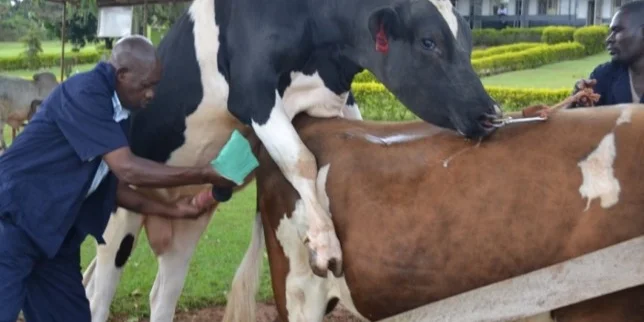
Dr. Jannet Suubi, representing the UVC, warned that under the new law, it is mandatory for anyone treating animals or selling veterinary medicines to be registered and licensed by the national council.
She stressed that practitioners must possess recognised academic qualifications ranging from Certificates and Diplomas to Degrees, saying this would help eliminate quacks who contribute to financial losses for farmers through the misuse of expired or incorrect drugs.
Dr. Samuel Mayiga of the NDA (Central Region) raised concerns over the handling and storage of veterinary drugs, noting that many practitioners lack proper facilities such as cold chain systems for vaccines.
He warned that this has led to the administration of ineffective or compromised medicines to livestock, undermining animal health interventions.
However, the directive has been met with resistance from some practitioners who argue that the registration fees are prohibitively high. Under the new structure, Veterinary Surgeons with Degree qualifications are required to pay UGX 500,000/= (UGX 250,000/= for retention and UGX 250,000/= for license).
Certificate and Diploma holders are required to pay UGX 340,000/= (UGX 170,000/= for retention and UGX 170,000/= for license).
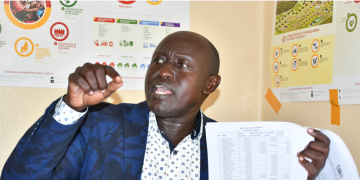
Dr. Joseph Mukasa, a veterinarian from Kyesiiga Sub-county, described the UGX 500,000/= fee as excessive, calling for its review. He added that even previous charges, where starting practitioners paid UGX 250,000/= and renewal was UGX 170,000/=, were already burdensome for many professionals.
John Kakulu and other practitioners echoed similar concerns, noting that while some operators with drug shops previously paid over UGX 250,000/=, the new requirements have significantly increased the financial strain. He warned that the rising costs could push qualified professionals out of practice.
Masaka City Veterinary Officer Peter Ssenabulya and Masaka District Veterinary Officer Dr. Emmanuel Kimuli both support the registration drive, saying it is necessary to eliminate unqualified practitioners and improve public health safety, particularly regarding uninspected meat entering the food chain.
Local veterinary leaders have pledged to engage the council in search of a more balanced approach, while urging practitioners to begin the registration process to avoid possible legal action.
ENDS.