





















Health experts and women’s rights advocates have called for strengthened protection and prioritisation of sexual and reproductive health services for women and girls, warning that access to essential healthcare often deteriorates during public health emergencies.
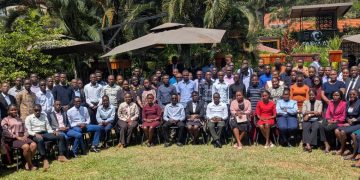
Speaking during a webinar organised by the Women’s Pro Bono Initiative (WPI), the experts noted that outbreaks and other health crises disproportionately affect women and adolescent girls by disrupting critical services such as family planning, antenatal care, safe delivery, postnatal care and broader maternal health services.
Dr. Marion Natukunda, Senior Communications Officer at the Ministry of Health, said women face heightened exposure risks during Ebola outbreaks because they are often the primary caregivers within households and communities. This role, she explained, increases their contact with infected individuals and raises the likelihood of transmission.
She further noted that when a woman is identified as an Ebola contact and placed under isolation, the impact extends beyond the individual, often disrupting childcare and household responsibilities that traditionally fall on women, thereby affecting entire families.
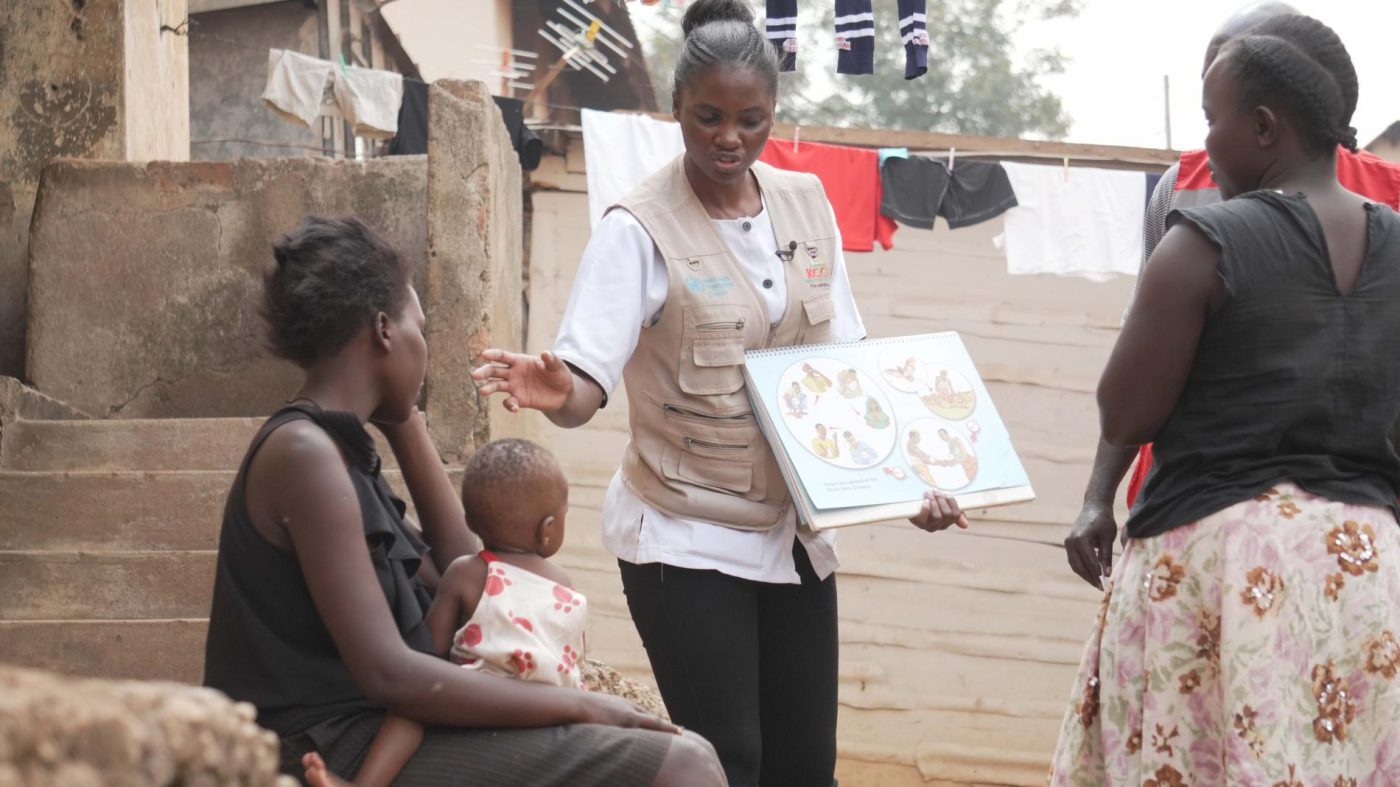
Women’s Pro Bono Initiative Legal Officer Tracy Nabbaale stressed the importance of timely, accurate and accessible information to enable women and girls to make informed health decisions during outbreaks. She said reliable communication is essential to ensure continued use of essential health services, despite fear and uncertainty surrounding Ebola.
The experts also urged stronger public health messaging to reassure communities that reproductive health services remain available even during outbreak responses. They emphasised that clear guidance on safely accessing health facilities would help reduce fear, prevent delays in seeking care, and save lives.
Dr. Nakasita warned that some suspected Ebola cases continue interacting with family members and communities while awaiting test results, a practice she said could increase the risk of further transmission. She also expressed concern that adherence to Ebola prevention measures has weakened in some communities compared to previous outbreaks.
The experts reiterated that women’s health needs do not pause during emergencies, stressing that services related to menstruation, pregnancy, childbirth, family planning and maternal care must remain consistently accessible.
They jointly called on government, health institutions and communities to prioritise the protection of women’s sexual and reproductive health rights as Uganda continues its response to Ebola.