











A dramatic and controversial sequence of events in Mukono District left residents in shock after a newly elected councillor reportedly died shortly after attempting to swear into office under highly unusual and disputed circumstances.
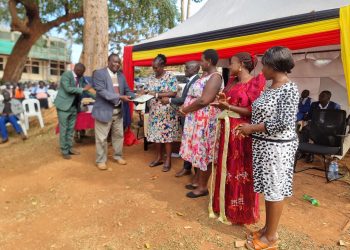
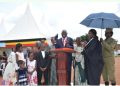
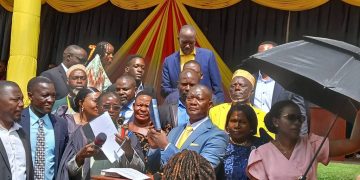
Henery Nagwano Kitata, the councillor-elect for Katente Parish in Nakisunga Sub-county, Mukono District, is said to have collapsed and died on Friday following a swearing-in ceremony that drew thousands of people to Nakisunga playground.
Eyewitness accounts indicate that Kitata, who had reportedly been in fragile health, was transported to the venue despite concerns over his condition.
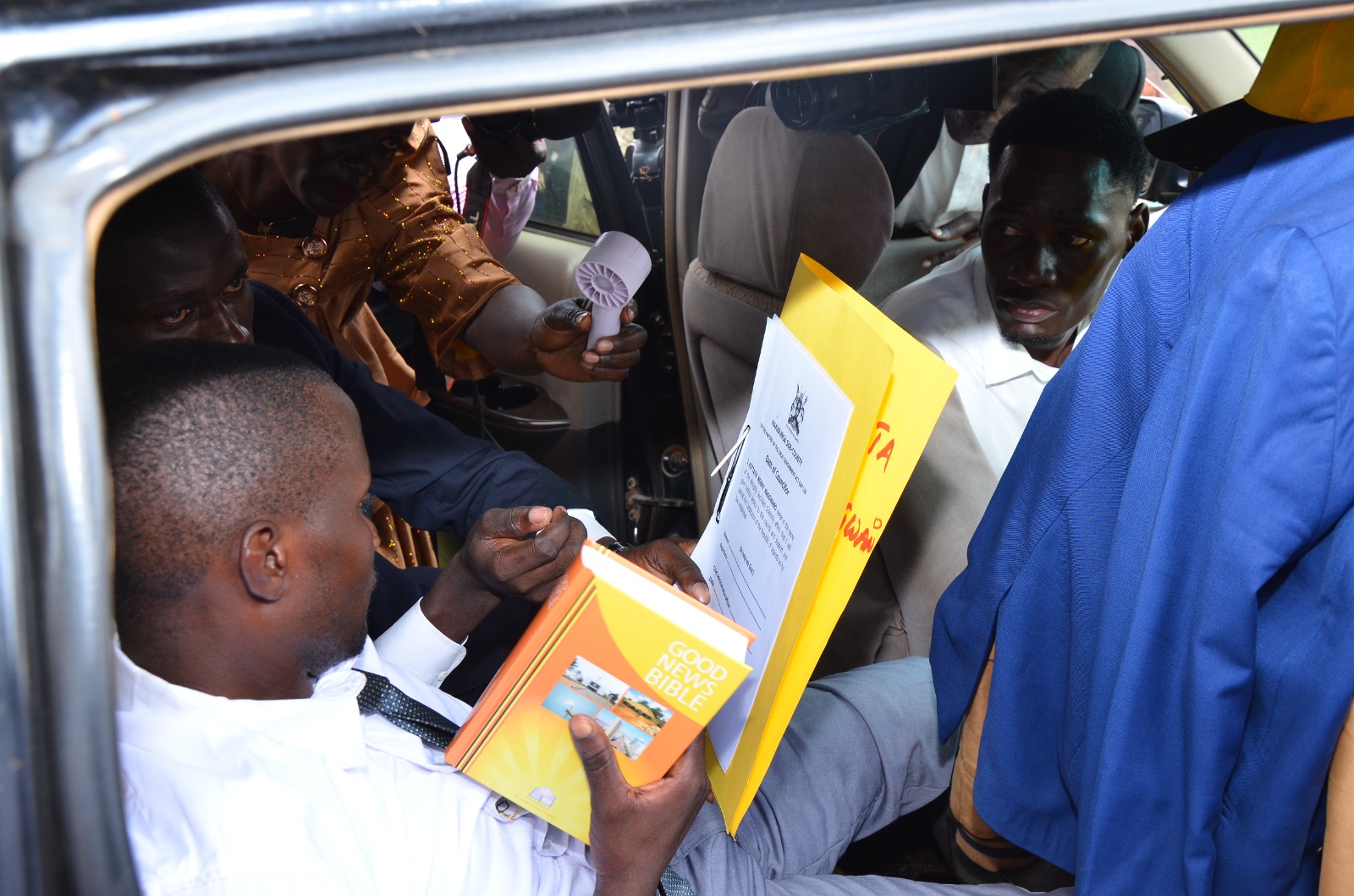
With over 5,000 residents gathered for the function, organisers proceeded with the ceremony even after Kitata was unable to exit the vehicle.
Mukono District Chief Administrative Officer Henery Ddamba reportedly insisted on administering the oath from inside the vehicle as the councillor lay weak and visibly struggling to speak.
A caregiver present attempted to stabilise his condition using a portable fan as Kitata struggled to recite portions of the oath, while sections of the crowd cheered him on to only mention the final declaration, “So help me God.”
Information obtained by this publication indicates that after leaving the swearing-in venue, the vehicle carrying Kitata did not proceed directly to a hospital as initially believed.
Instead, it is alleged that the convoy diverted to the Nakisunga Sub-county headquarters, where preparations for the election of the district speaker were scheduled to take place.
Sources claim that during this time, individuals inside the vehicle removed Kitata and attempted to resuscitate him by repeatedly pumping his chest in an effort to revive him, as political proceedings were reportedly still being anticipated at the headquarters.
The attempts, however, were unsuccessful.
Medical Intervention Comes Too Late
It is further reported that a medical worker from a nearby health facility who happened to witness the unfolding situation intervened and urged those present to immediately rush Kitata to hospital.
Following this intervention, the vehicle eventually diverted to Herona Medical Centre (Erona). However, upon arrival, medical personnel reportedly confirmed that Kitata had already passed away.
News of the death quickly spread through the ceremony grounds, forcing organisers to suspend all planned activities, including the election of the district speaker and the official opening of the council session.
Police officers led by SP Namatovu later visited Kitata’s home in Katente Village and transferred his body to Mulago Hospital mortuary for a postmortem examination.
“We urge the public to remain calm as investigations continue,” SP Namatovu said.
The incident drew emotional reactions from attendees, including Pamela Kertland Wright, the Consul for Canada in Kampala, who was among the invited guests.
“I am here representing Canada, but I am also a resident of Mukono. This is not what I prepared to say. I am deeply sorry for what has happened. He was a good man with a promising future,” she said.
Rising Questions Over Handling of the Incident
As mourning continues, questions are being raised about the decisions made by organisers and political actors during the critical moments of Kitata’s deteriorating condition.
Observers note that despite visible signs of medical distress, political proceedings were not halted immediately, and efforts to prioritise emergency care appeared delayed or diverted by competing event obligations.
Local political voices, including former councillor Samuel Odong, have condemned what they describe as an increasingly dangerous culture of political pressure.
“Politics should never become a matter of life and death, especially at local council level where leadership is meant to be service-driven,” Odong said.
The incident raises profound questions about the intersection of political culture, institutional responsibility, and emergency decision-making in Uganda’s local governance system.
First, the handling of the swearing-in process suggests a breakdown in basic duty of care. When a public official is visibly incapacitated, procedural flexibility should give way to medical urgency.
The decision to proceed with oath-taking inside a vehicle, rather than halting the ceremony altogether, reflects a system where symbolism and political continuity were prioritised over human life.
The reported diversion to the sub-county headquarters introduces a troubling dimension: the possibility that political programming continued to influence decisions even after the councillor’s condition worsened.
If accurate, this indicates a dangerous overlap between administrative processes and emergency response, where political scheduling competes with medical necessity.
The delayed transfer to hospital highlights systemic weaknesses in event preparedness. Large political gatherings involving public officials typically require basic emergency response planning, including standby medical teams and clear evacuation protocols.
The absence or underutilisation of such mechanisms in this case points to institutional gaps in risk management.
The incident reflects a broader cultural issue within local politics, where political ambition, visibility, and procedural completion can overshadow personal wellbeing.
The pressure to “complete the ceremony” even under extreme circumstances suggests an unhealthy political environment where optics can override safety.
Ultimately, the tragedy should prompt an urgent review of protocols for public ceremonies involving elected officials, particularly those with known health vulnerabilities. Without reforms, similar incidents risk recurring, turning civic processes into preventable human tragedies.
ENDS.