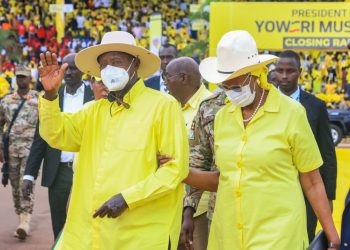












President Yoweri Museveni has rallied Ugandans to embrace hard work, fight corruption, and actively participate in wealth creation, declaring that the country must enter a new phase of economic transformation under the slogan “No More Sleep.”
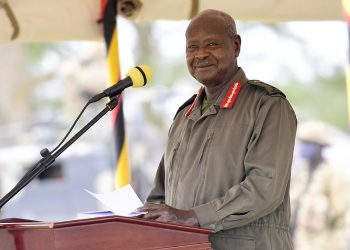
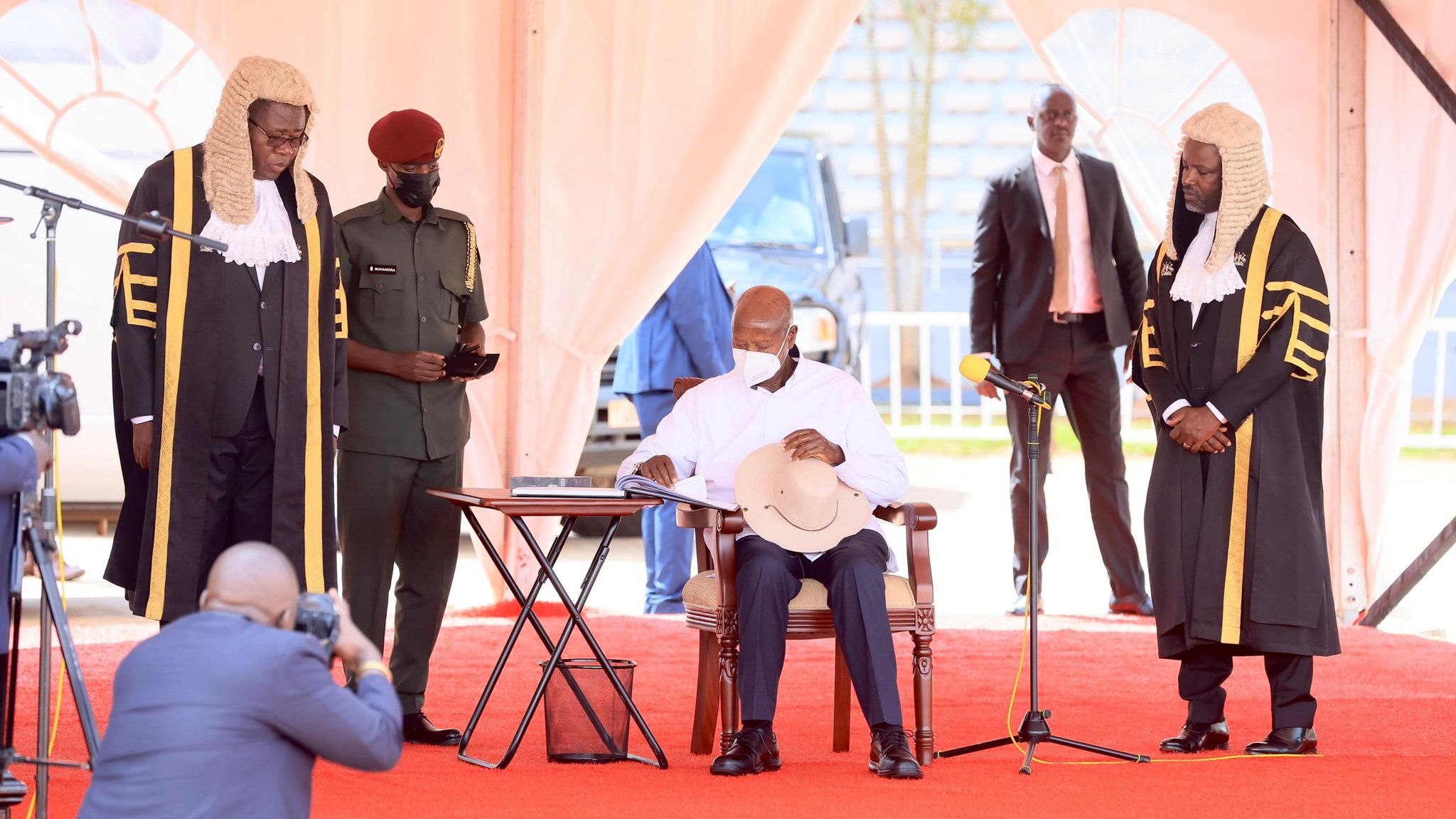
Delivering the 2026 State of the Nation Address at Kololo Ceremonial Grounds on Thursday, Museveni highlighted Uganda’s economic progress over the last four decades while warning against complacency, corruption, and poor leadership.
In a lengthy address blending historical reflection, economic statistics, and political messaging, President Museveni credited the ruling National Resistance Movement (NRM) for transforming Uganda from what he described as a subsistence and conflict-ridden economy into a lower middle-income country.
The President said Uganda’s Gross Domestic Product had grown from USD 3.9 billion in 1986 to USD 69.3 billion today, with projections indicating growth to USD 80 billion in the next financial year.
He also cited improvements in life expectancy, reductions in infant mortality, and the expansion of commercial agriculture, manufacturing, services, and ICT sectors.
Museveni repeatedly emphasized his “No More Sleep” campaign slogan, which he explained as a call against corruption, laziness, non-performance, and political complacency.
He warned leaders against “kukongoola”, leaning on others while they work, and criticized public officials who fail to engage communities on poverty eradication programs.
A major focus of the speech was agriculture and wealth creation. Museveni defended government initiatives such as the Parish Development Model (PDM), Emyooga, Operation Wealth Creation (OWC), and NAADS, saying millions of Ugandans had benefited through access to seedlings, livestock, and affordable financing.
He announced that government plans to continue injecting Shs100 million annually into each rural parish and Shs300 million into urban wards under the PDM initiative.
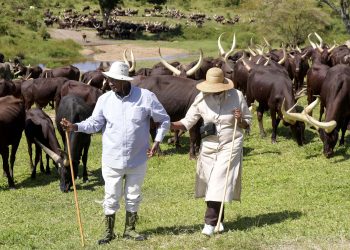
The President urged households with land to adopt intensive farming models, including coffee growing, dairy farming, poultry, piggery, and fruit farming.
Museveni also pointed to growth in Uganda’s production sectors, saying milk production had risen from 200 million litres in 1986 to 5.4 billion litres annually, while coffee exports had expanded from two million to 9.3 million bags.
On infrastructure, he highlighted achievements in road construction, railway rehabilitation, electricity expansion, and petroleum pipeline development.
Uganda’s electricity generation, he said, had increased from 60 megawatts in 1986 to over 2,000 megawatts today, with ambitions to reach 50,000 megawatts in future.
The President defended the NRM’s governance record against critics who accuse the government of stagnation, insisting that Uganda’s transformation is visible through industrial parks, export growth, and rising investment.
He further renewed calls for African economic and political integration, arguing that Uganda’s long-term prosperity depends on access to wider regional and continental markets.
Museveni concluded by urging leaders to prioritize service delivery and ensure government wealth creation programs reach ordinary citizens.
He also outlined the government’s legislative agenda for the 2026/27 financial year, including proposed amendments in education, health, taxation, tourism, railways, and local government laws.