

























Uganda is experiencing rising demand for Lenacapavir, a newly approved long-acting HIV prevention injection administered twice a year, as health experts report strong uptake among people at substantial risk of infection.
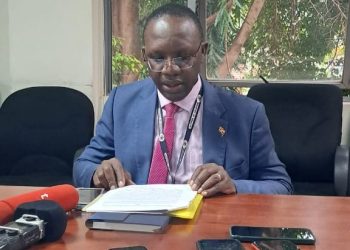
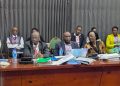
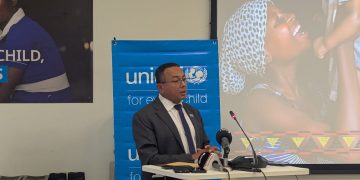
Speaking during a media briefing, Dr. Flavia Kiweewa Matovu, Director of Research at the Makerere University–Johns Hopkins University Research Collaboration (MU-JHU), said Uganda received its first shipment of 19,200 doses on March 17, 2026—prior to the official national rollout a month later.
She noted that the injectable pre-exposure prophylaxis (PrEP) option is currently available in 103 health facilities nationwide and is being offered to individuals assessed to be at heightened risk of HIV infection.
“The demand is very high. We are receiving referrals and inquiries from different parts of the country from people interested in accessing Lenacapavir,” Dr. Kiweewa said.
Lenacapavir attracted global attention following clinical trials that demonstrated exceptional efficacy in preventing HIV, particularly among adolescent girls and young women. In the PURPOSE 1 study conducted in Uganda and South Africa, no HIV infections were recorded among participants who received Lenacapavir during the initial analysis period, compared to 55 infections among those on daily oral PrEP.
Dr. Kiweewa said the findings point to near-complete protection when the drug is used correctly and consistently.
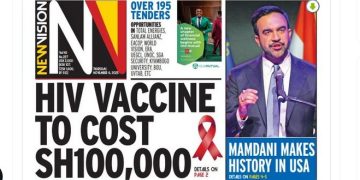
She explained that Lenacapavir is not a vaccine but a long-acting antiretroviral that must remain at protective levels in the body to prevent infection. Its six-month dosing schedule, she said, offers a major advantage for individuals who struggle with daily medication adherence.
Dr. Micah Kulubya, Director of Programs at the Uganda Key Populations Consortium (UKPC), welcomed the rollout, saying the injectable option provides a discreet and convenient prevention method for key populations, including sex workers, fisherfolk, long-distance truck drivers, men who have sex with men, and adolescent girls and young women.
“We cannot treat our way out of the HIV epidemic. Prevention remains critical, especially among communities that face barriers to accessing health services,” Kulubya said.
Health experts, however, cautioned that Lenacapavir is not intended to replace existing HIV prevention methods such as oral PrEP and condoms, but to expand the range of available options.
They also warned that global supply remains limited due to complex manufacturing processes, which can take up to 18 months per production cycle.
The drug is currently being supplied to Uganda with support from the Global Fund, with government health facilities serving as the main distribution points.
Patient advocate Moses Nsubuga, popularly known as “Super Charger,” described Lenacapavir as a breakthrough in HIV prevention, saying it targets a unique stage of the virus’s life cycle and reflects decades of scientific advancement.
Health authorities have urged people who may be at risk of HIV infection to seek guidance from accredited health facilities and consider available prevention options as Uganda intensifies efforts to eliminate new HIV infections by 2030.