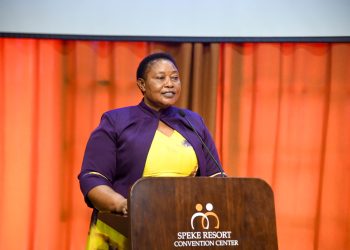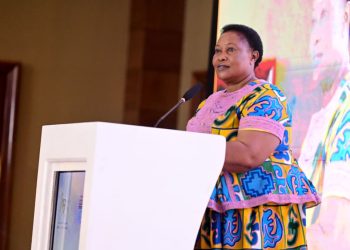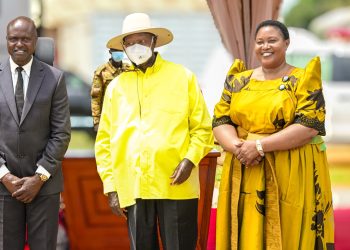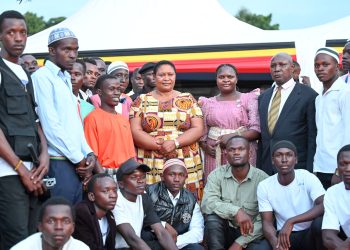

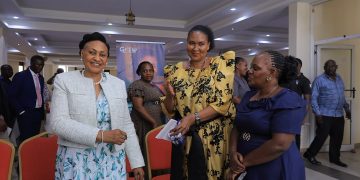

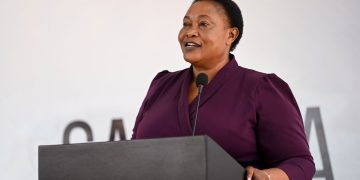








Minister for the Presidency and Budiope West MP Babirye Milly Babalanda has challenged district political and technical leaders to move beyond planning, spending and activity reports and deliver measurable improvements in the lives of Ugandans under the 2026-2031 National Resistance Movement (NRM) manifesto.
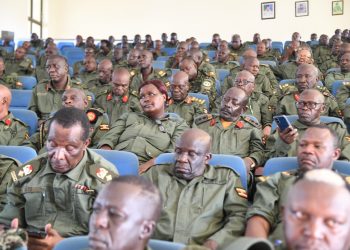
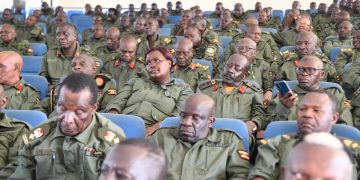
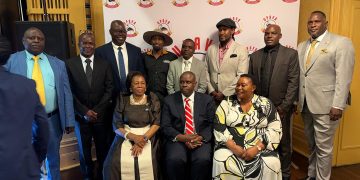
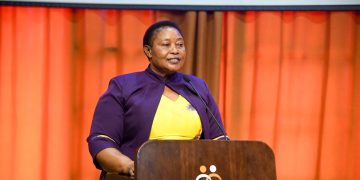
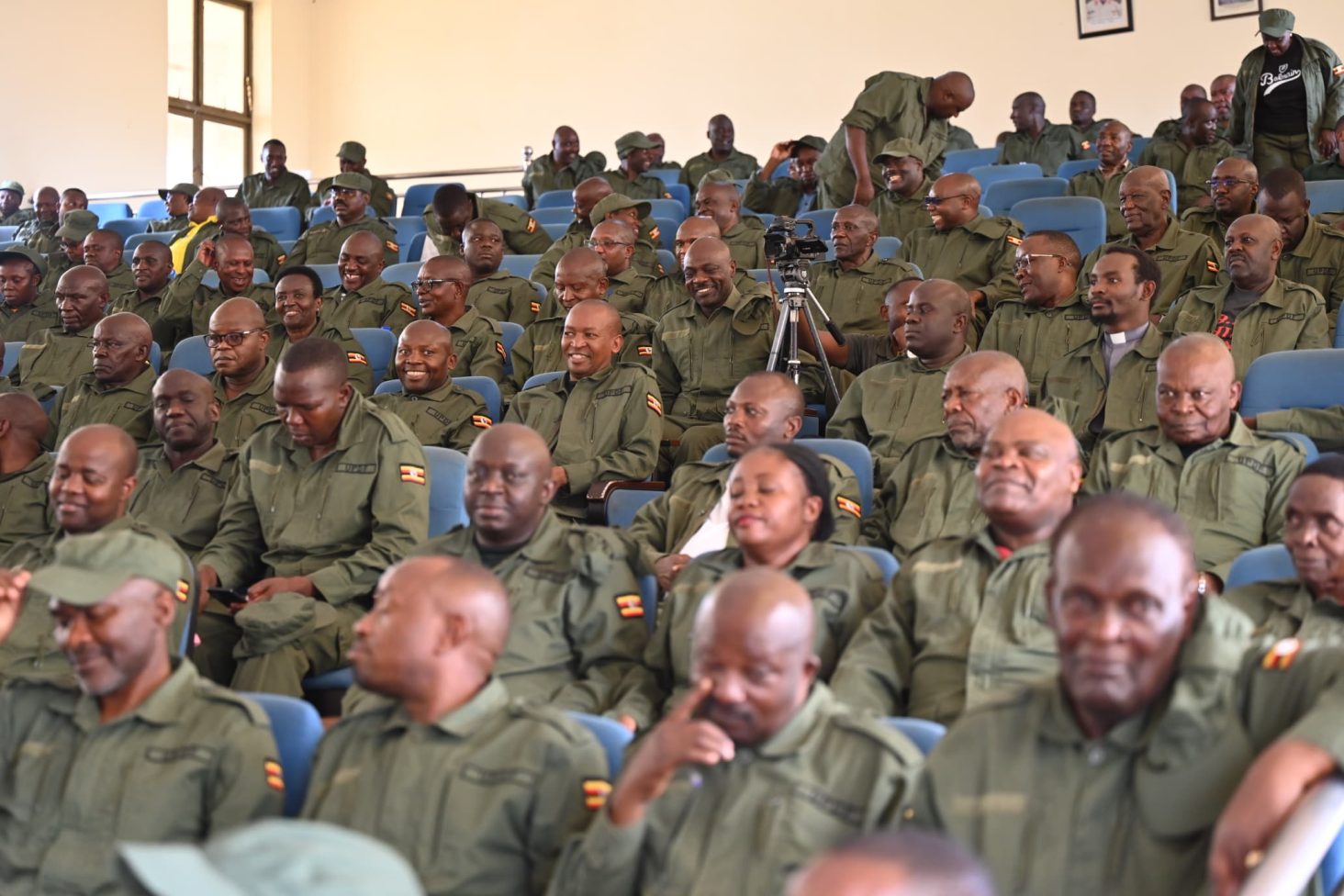
Babalanda made the call on Tuesday, September 1, 2026, while addressing district political and technical leaders from the Ankole, Kasese, Bunyoro, Tooro and Kigezi sub-regions at the National Leadership Institute (NALI) in Kyankwanzi.
The leaders are attending a retreat aimed at aligning local government plans and service delivery with the priorities of the new manifesto and the National Development Plan IV (NDP IV).
Babalanda said the success of the manifesto should not be judged by the number of programmes launched or the amount of money spent, but by tangible changes in communities and households.
“A manifesto is not merely a political document. It is a commitment to the people. Its success will ultimately be measured by whether the lives of Ugandans improve,” Babalanda said.
She said the impact of the manifesto should be visible through improved schools and learning outcomes, functional health facilities, increased agricultural production, better roads, access to clean water and sanitation, expanded economic opportunities and more efficient public services.
According to Babalanda, local governments are the critical link between national policy and the delivery of services to citizens. She therefore directed districts to ensure their development plans, budgets, annual work plans and performance targets are aligned with NDP IV and the manifesto priorities.
She outlined the implementation framework as: Manifesto, Plans, Budgets, Implementation, Monitoring and Results.
“The key question should be, ‘What has changed in the lives of our people?’ That is the standard by which we must measure our performance,” she said.
Babalanda also urged political and technical leaders to strengthen cooperation and avoid conflicts that could undermine service delivery.
She specifically called on Resident District Commissioners (RDCs), district chairpersons, mayors, NRM leaders, Chief Administrative Officers (CAOs) and town clerks to work together and exercise mutual respect and shared accountability.
“Let us avoid unnecessary rivalry and conflict. Leadership must be judged by results, not by position,” she said.
On management of public resources, Babalanda warned district leaders that every government expenditure must be properly accounted for.
“Every shilling of public money is a public trust,” she said, calling for stronger financial management, procurement controls, project supervision and internal accountability mechanisms.
She said citizens should be able to establish what government has committed to deliver, what has already been completed and what remains outstanding.
Babalanda further urged leaders to adopt early monitoring mechanisms to identify challenges before they affect the implementation of government programmes.
“Monitor early, identify problems early and act early,” she said, describing monitoring as a management tool rather than merely a requirement for preparing reports.
The minister placed wealth creation and household income growth at the centre of the manifesto’s implementation, urging every district to identify sectors in which it has a comparative advantage.
She challenged local leaders to determine what their districts can produce, opportunities for value addition, available markets and enterprises capable of creating jobs and increasing household incomes.
She identified agricultural commercialisation, value addition, industrialisation, tourism, trade, innovation and the digital economy as key areas through which districts can expand economic opportunities.
Babalanda said government interventions targeting young people and women should also be assessed by their economic impact rather than simply by the number of beneficiaries reached.
She called for programmes that result in viable enterprises, employment and increased household incomes.
On social services, she urged leaders to prioritise improved learning outcomes and school retention, as well as ensuring that health facilities have adequate staff, medicines and essential services.
She also asked districts to strengthen support for vulnerable groups while improving the functionality of government institutions.
Babalanda urged local governments to strengthen protection of wetlands, forests and water sources, warning that development should not come at the expense of the country’s natural resources.
She also encouraged districts to embrace digital technologies to improve revenue collection, transparency, monitoring and the delivery of public services.
The minister challenged participants to leave the Kyankwanzi retreat with concrete commitments rather than another report.
She said each district should develop a practical action agenda identifying priority interventions, required resources, responsible officers, expected results and measurable performance indicators.
“By the end of this retreat, every participant should return to their district with clarity, commitment and a practical action agenda,” she said.
Babalanda further said President Yoweri Kaguta Museveni remains committed to serving Ugandans during the 2026-2031 period and beyond.
She urged leaders to exercise integrity, patriotism, discipline and accountability, saying public office should be treated as a responsibility entrusted to them by citizens.
“The 2026-2031 Manifesto is not merely a document to be implemented; it is a national commitment to be delivered. Our task is not simply to promise — our task is to deliver,” she said.
The retreat brought together senior political and technical leaders, including the Permanent Secretary in the Office of the President, officials from the Manifesto Implementation Unit, RDCs, district chairpersons, city and municipal mayors, NRM district chairpersons, CAOs and town clerks.