







The Government is set to inspect the implementation of its major wealth-creation programmes in Teso and Lango sub-regions amid concerns over beneficiary selection, poor loan recovery, weak SACCO governance and possible diversion of public funds.
The two-week oversight exercise, which begins on September 7, will focus on the Parish Development Model (PDM), the Presidential Initiative on Wealth and Job Creation (Emyooga) and the Cattle Restocking Programme.
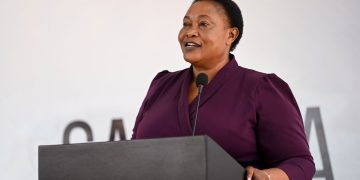
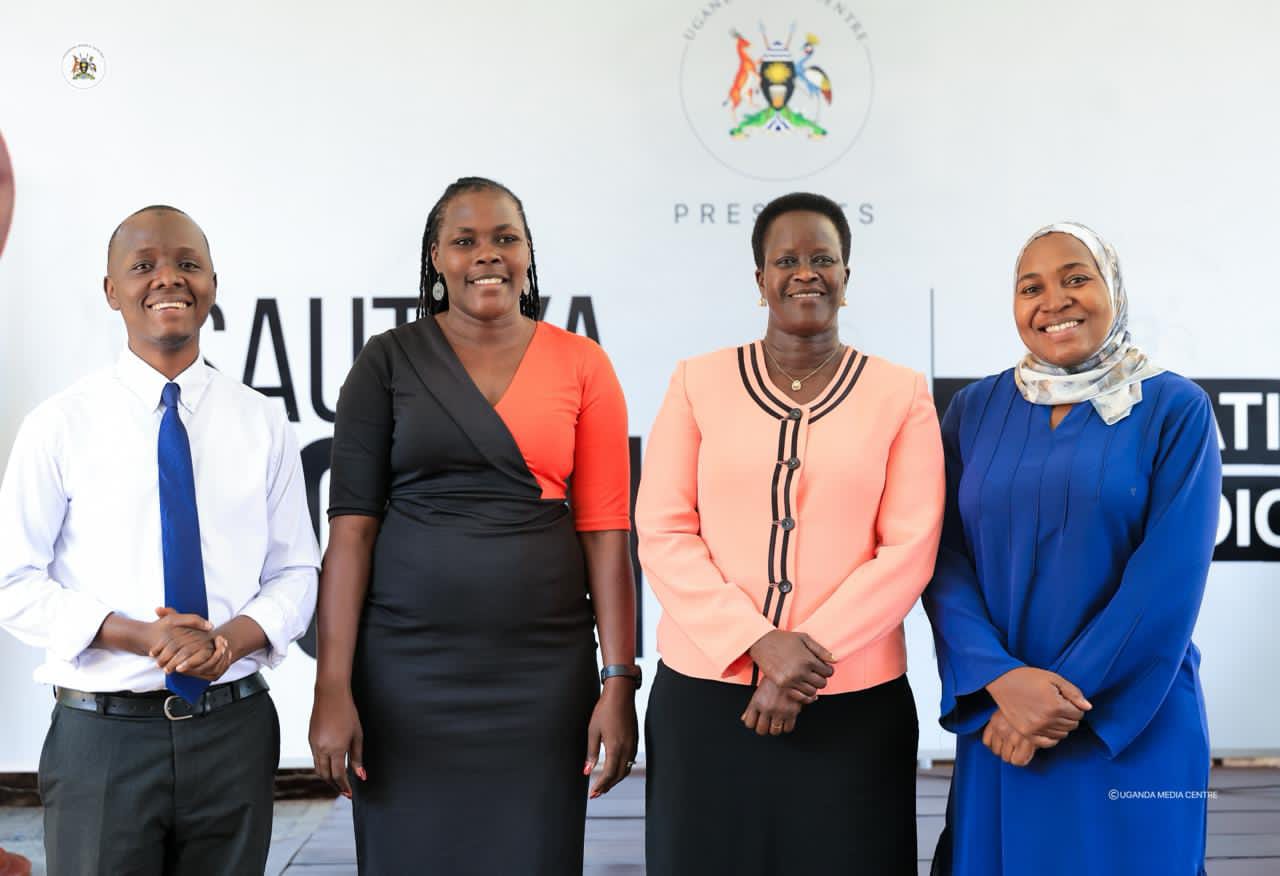
The inspection will be conducted by the Office of the President through the Department of Socio-Economic Monitoring and Research under the Minister of State for Economic Monitoring, Hon Santa Sandra Alum Ogwang.
In Teso, the team will visit Kapelebyong, Kalaki, Bukedea and Soroti City, while in Lango the exercise will cover Apac, Otuke, Dokolo and Lira districts.
The minister said the programmes were selected because of the substantial public resources invested in them and their importance in increasing household incomes, expanding financial inclusion and moving Ugandans from subsistence production into the money economy.
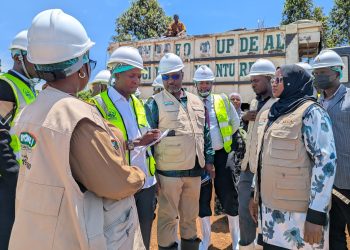
The team will meet district leaders, technical officers and beneficiaries, review programme records and inspect enterprises supported through the government interventions.
Ogwang said the exercise was intended to establish whether the programmes were reaching their intended beneficiaries and whether the investments were translating into increased production, employment and household incomes.
“This exercise is not intended to intimidate anyone. It is an accountability and learning exercise,” Ogwang said.
She said the monitoring team would identify successful interventions for replication while recommending corrective action where gaps are found.
However, the minister warned that the team would pay particular attention to irregular beneficiary selection, weak SACCO governance, poor recordkeeping, delayed access to funds, low loan recovery and diversion of public resources.
Where there is evidence of abuse of government resources, she said, the matter would be referred to the relevant authorities.
At the end of the exercise, the team will hold exit meetings with local governments and ministries, departments and agencies to validate its findings and agree on corrective measures before a consolidated report is submitted to President Museveni.
The inspection comes as the Government continues implementing its cattle compensation programme for communities in Teso and Lango that suffered cattle losses during past insurgencies.
Ogwang said the Government has allocated Sh100 billion this year for the restocking programme, with Sh80 billion already provided.
She said the monitoring exercise would establish how many beneficiaries have received the funds and assess whether the programme is improving their livelihoods.
The minister said Teso and Lango were selected because the cattle restocking programme was specifically designed to benefit the affected sub-regions.
“We want to establish the number of people who have already received this money and how it is really transforming their livelihoods,” she said.
Ogwang also defended the Government’s compensation approach amid calls by some affected people to seek redress through courts.
She acknowledged that citizens have a right to go to court but argued that litigation had benefited only a small number of people who were able to pursue their cases successfully.
She said the insurgencies affected entire communities and that relying solely on court processes would leave out poor people who could not afford lawyers.
According to Ogwang, the Government’s current approach, backed by President Museveni, provides a broader mechanism for addressing the losses suffered by communities in Teso, Lango and Acholi.
She urged people who have pursued court action over compensation to consider engaging with the Government’s programme, which she said was designed to benefit a wider section of the affected population.
The minister also rejected concerns that her inspection could duplicate the work of other government officials responsible for local government and programme implementation.
She said her role as Minister of State for Economic Monitoring in the Office of the President was to assess the impact of government programmes and establish whether public investments were producing the intended results.
She distinguished this from the role of the Ministry of Local Government and the Office of the Prime Minister, which she said are primarily involved in implementation and coordination.
“My work is to see that there is impact—all these resources that government has put in place, is it translating into increasing incomes in households? Is it transforming the lives of the people?” she said.
She said the monitoring exercise would also help Government determine whether its interventions were contributing towards the target of transforming Uganda into a tenfold larger economy.
Ogwang said the exercise would provide evidence on whether Government programmes were successfully moving households from subsistence production into the money economy and, where they were succeeding, identify ways of replicating those interventions elsewhere.
She appealed to local leaders and beneficiaries to cooperate with the monitoring team and provide accurate information.
She also urged the media to report the exercise accurately, saying public scrutiny was necessary to ensure that government resources achieve their intended purpose.
“Accountability does not frustrate implementation; it protects it,” she said.