














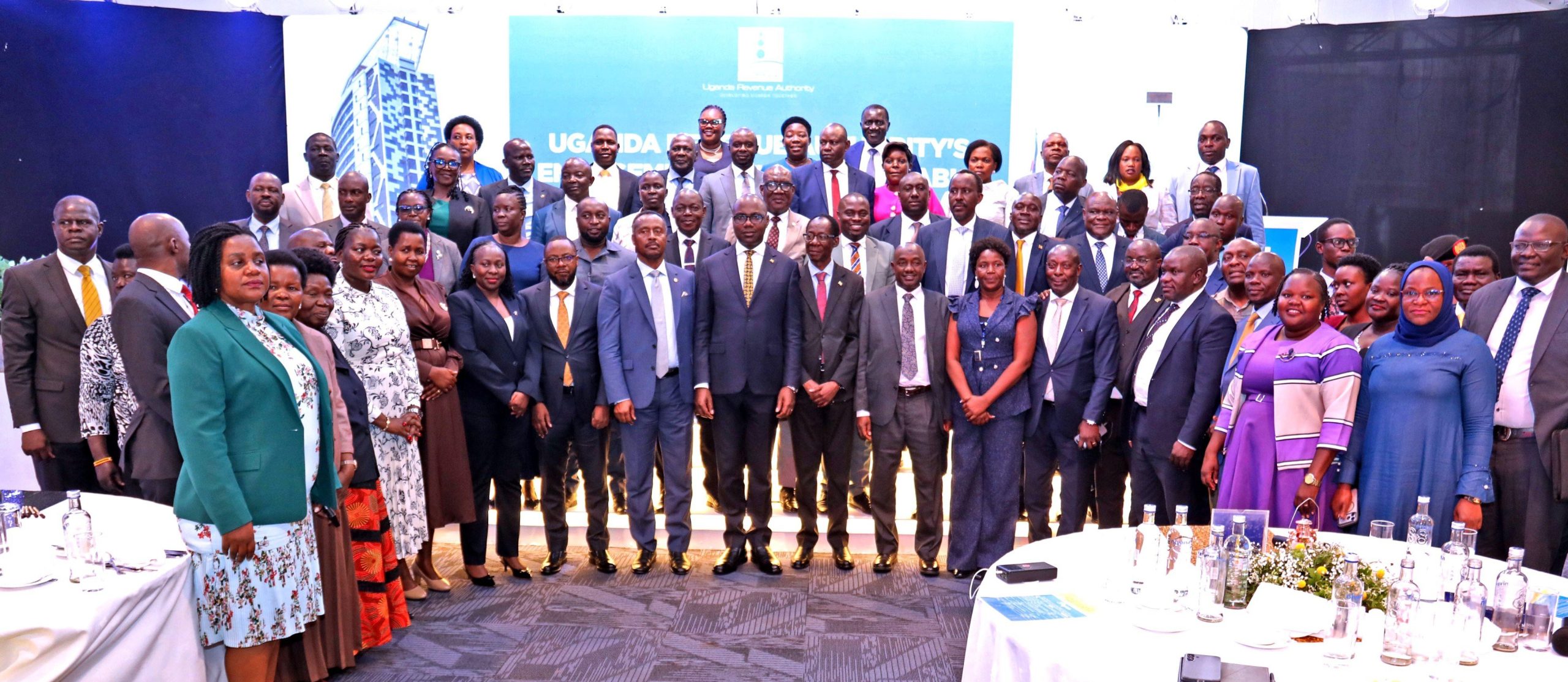
The Uganda Revenue Authority (URA) has turned to Members of Parliament for help in getting more Ugandans into the tax system as government seeks to increase domestic revenue and reduce reliance on borrowing.
URA Commissioner General John Musinguzi Rujoki said Uganda must raise its tax-to-GDP ratio from about 14 per cent to at least 20 per cent by the 2029/30 financial year, a target he said cannot be achieved by URA alone.
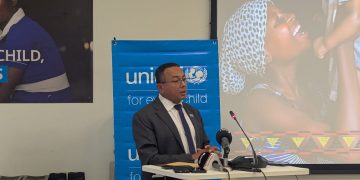
Musinguzi was speaking during an engagement with MPs from several parliamentary committees in Kampala on Monday, where URA and the Ministry of Finance discussed Parliament’s role in improving tax collection.
“We need all the stakeholders mobilised, sensitised and shooting in the same direction,” Musinguzi said.
He said MPs are particularly important because they interact directly with citizens and can help explain why taxes are necessary to finance public services.
Musinguzi said URA has introduced several measures to improve compliance, including the Electronic Fiscal Receipting and Invoicing System (EFRIS), digital tax systems and non-intrusive scanners at borders.
However, he said technology alone will not solve Uganda’s revenue challenges unless Parliament helps strengthen the laws and regulations governing different sectors of the economy.
A major concern, he said, is the large informal sector, where many businesses and individuals operate without proper registration, licensing or records.
Musinguzi singled out agriculture, real estate, construction, transport and other sectors where economic activity is significant but tax contributions remain relatively low.
He said agriculture, for example, needs a clearer distinction between subsistence farmers and commercial farmers.
While subsistence farmers may not fall in the same category, Musinguzi said commercial farmers earning substantial incomes should be able to declare their earnings and file tax returns.
He said agriculture currently contributes only about 3.6 per cent to tax collections and challenged stakeholders to find ways of increasing the sector’s contribution.
The URA chief also called for better compliance among traders in the wholesale and retail sector through technology and regulation.
He argued that increasing domestic revenue is necessary if Uganda is to finance development without continuously depending on loans.
“Loans cannot sustainably develop a country,” Musinguzi said.
Finance Minister Henry Musasizi said the meeting was aimed at helping MPs understand their responsibilities in domestic revenue mobilisation.
He said Parliament plays a role in passing tax laws, approving budgets, overseeing government agencies and representing citizens whose taxes finance public services.
Musasizi said government wants a budget that is increasingly financed by domestic revenue and that closing gaps in tax administration will require cooperation among different government institutions.
He pointed to the integration of systems such as the national identification system, IFMIS and utility billing systems, as well as the scanning of goods entering the country, as measures that can help improve revenue collection.
But MPs also used the meeting to raise concerns about the fairness of the tax system.
Butaleja District Woman MP Sarah Annet Logose questioned why small traders are expected to pay taxes while some large investors continue to receive tax exemptions and tax holidays.
She also raised concerns about Uganda’s growing debt, arguing that revenue lost through exemptions could potentially help the country meet its financial obligations.
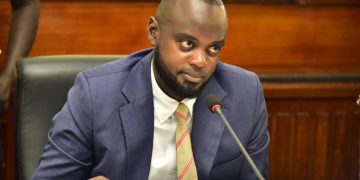
Kalungu East MP Yusuf Nterettanyi said taxpayers are more likely to comply when taxes are fair and clearly explained.
He cautioned URA against relying too heavily on enforcement, saying taxpayers should also be engaged respectfully.
Bukoto Central MP Richard Sebamala also criticised URA’s approach, arguing that poor engagement with taxpayers can discourage compliance.
Parliamentary Budget Committee chairperson Amos Kankunda, however, pledged MPs’ support for the revenue mobilisation drive.
He said legislators have a responsibility to explain tax obligations to their constituents and encourage voluntary compliance.
Kankunda cited a case in his constituency where a taxpayer accepted a tax assessment after being engaged and helped to understand the obligation.
URA said the engagement with Parliament will continue, with Musinguzi stressing that achieving the 20 per cent tax-to-GDP target will require sustained cooperation between government, Parliament, businesses and ordinary taxpayers.