












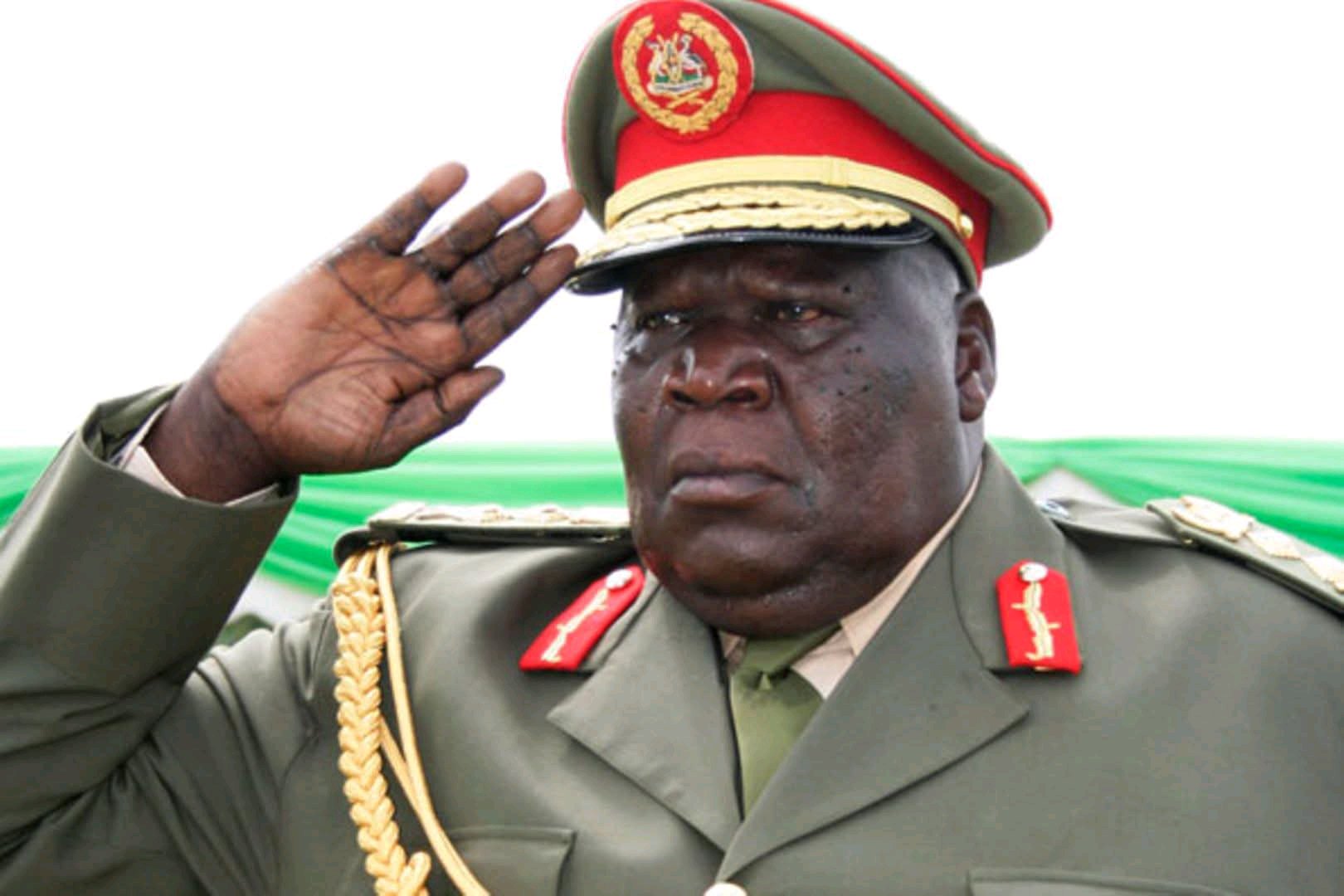
KAMPALA — Gen. (Rtd) Moses Ali, one of Uganda’s longest-serving politicians, military officers and former deputy prime ministers, has died at the age of 87, bringing to an end a public career that spanned more than five decades and traversed nearly every chapter of the country’s post-independence history.
His death follows growing concern over his health after he was admitted to Nakasero Hospital earlier this week. He had remained under medical care as family members and senior government officials monitored his condition.
Ali, the Member of Parliament for Adjumani West, served under three different political eras, first as a senior military officer and minister during the Idi Amin administration, later as the leader of the Uganda National Rescue Front (UNRF) rebel movement, and eventually as one of President Yoweri Museveni’s most trusted ministers following a peace agreement that integrated his rebel forces into the National Resistance Army in 1986.
Born on April 5, 1939, in Meliaderi Village in present-day Adjumani District, Moses Ali combined military service with academic achievement. He earned a Bachelor of Laws degree from Makerere University, a Diploma in Legal Practice from the Law Development Centre, and later a Master’s degree in Intelligence Studies from the American Military University, reflecting his lifelong commitment to education.
Ali joined the Uganda Army in the late 1960s and rose rapidly after the 1971 coup that brought Idi Amin to power. He served as Minister of Provincial Administration and later Minister of Finance, becoming one of the prominent figures in Amin’s government. While he remained associated with the regime, historical records provide limited evidence directly linking him to specific human rights abuses committed during that period.
Following the collapse of Amin’s government in 1979, Ali fled into exile before founding the Uganda National Rescue Front, which fought against Milton Obote’s second administration. The rebel movement was largely based in West Nile and became one of the region’s most significant armed groups during the early 1980s.
His political fortunes changed dramatically after Museveni captured power in 1986. Rather than continue fighting, Ali negotiated a peace agreement that integrated the UNRF into the national army, paving the way for his appointment to senior government positions.
Over nearly four decades in the Museveni administration, Ali held several Cabinet portfolios, including Internal Affairs, Trade and Industry, Tourism, Youth, Culture and Sports, and Disaster Preparedness. He also served in various capacities as Deputy Prime Minister, most recently as Second Deputy Prime Minister and Deputy Leader of Government Business in Parliament until May 2026.
Despite advancing age and declining health, Ali remained politically active. He successfully retained the Adjumani West parliamentary seat in the 2026 General Election, although he was dropped from Cabinet during the subsequent reshuffle. He continued serving as a legislator until his death.
Away from politics, Ali was a family man whose wife, Sarah Ali, died in January 2024. He is survived by a large family, including his son, Siraj Musa Ali, who was appointed Minister of State for Works in 2026.
Known by many as the “Lion of Adjumani,” Ali was admired by supporters for his resilience and dedication to the development of West Nile, while critics continued to scrutinize his association with the Amin era. Regardless of differing opinions, his influence on Uganda’s military and political landscape remains undeniable.
His passing marks the end of one of the country’s most extraordinary political journeys, a life that saw him serve as a soldier, lawyer, rebel commander, peace negotiator, Cabinet minister, deputy prime minister and parliamentarian across more than half a century of Uganda’s history.