
















Members of Parliament on the Committee on Commissions, Statutory Authorities and State Enterprises (COSASE) have called for increased investment in laboratory equipment at the Uganda National Bureau of Standards (UNBS) to match growing demand for product testing and certification.
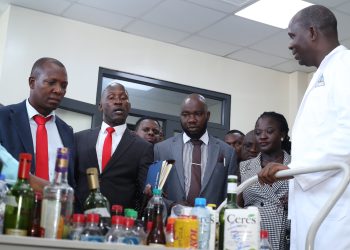
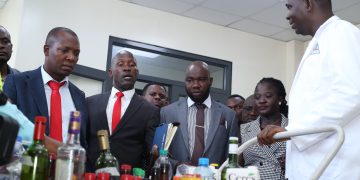
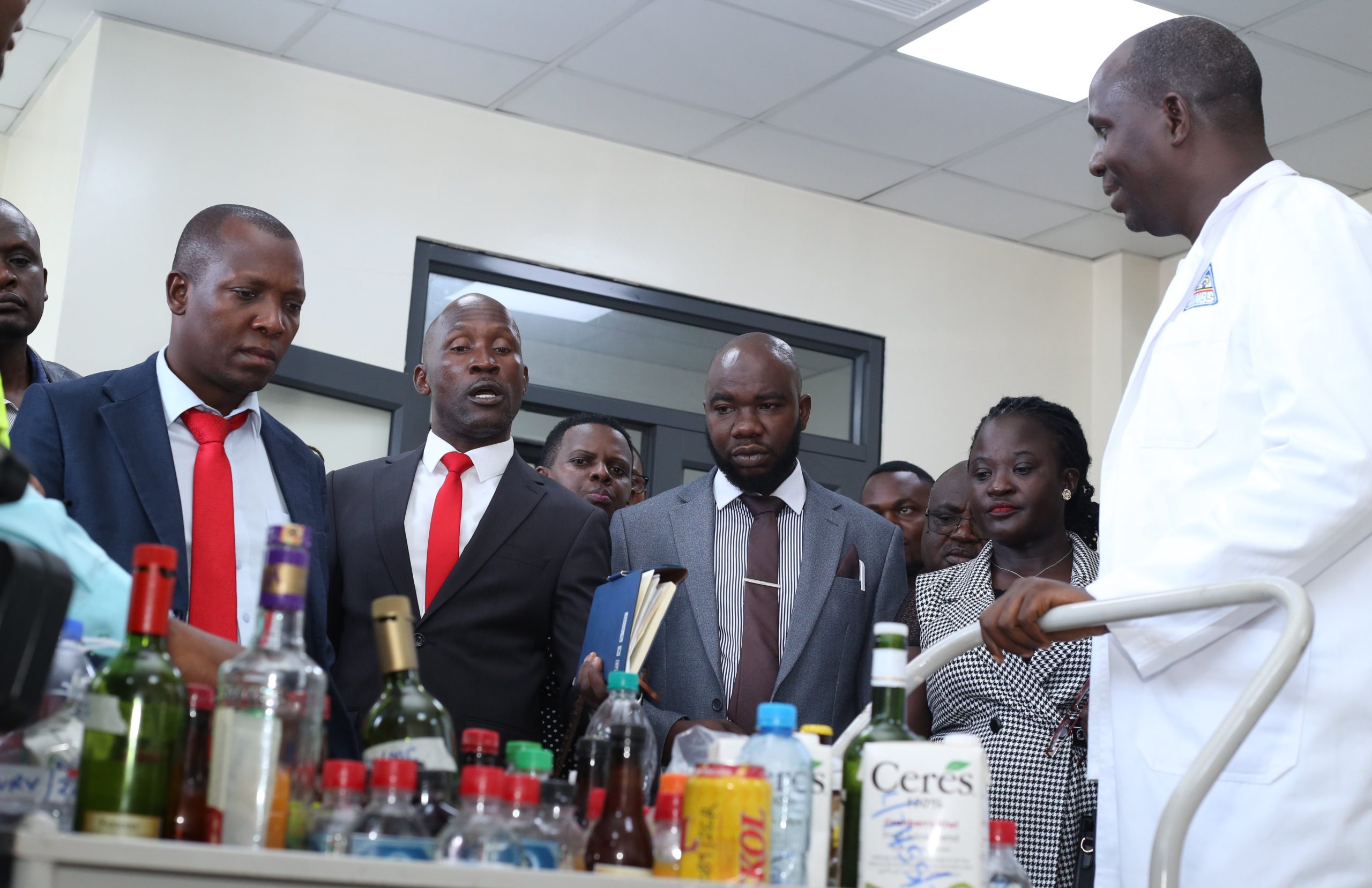
The call followed a physical inspection of UNBS facilities by the committee, chaired by Kyadondo East MP Muwada Nkunyingi, as MPs assessed the bureau’s operational capacity and issues highlighted in the Auditor General’s report.
Nkunyingi said the committee had observed some machines marked as non-functional and others that may require upgrading or replacement, prompting MPs to seek clarification on the implications for service delivery.
“We want to know the implication of the non-functional machines on service delivery at UNBS and what has been done to ensure that the machines are updated and functional,” he said.
The committee also sought explanations on delays in laboratory testing, which UNBS has linked to increasing demand, equipment limitations and the need for specialised laboratory supplies.
However, the inspection was an initial assessment, with Nkunyingi saying the committee would seek detailed technical explanations from the bureau before drawing conclusions on the issues raised.
MPs also observed cracks in parts of the laboratory buildings and asked for clarification on their safety implications. Nkunyingi said the committee would rely on technical assessments to establish whether the cracks posed any risk to staff and laboratory operations.
UNBS Executive Director Eng. James Kasigwa said the institution’s workload had expanded alongside the growth of Uganda’s economy, putting pressure on its existing facilities.
He noted that the government had increased UNBS funding from about Shs60 billion to approximately Shs130 billion, enabling improvements in staff welfare and investment in regional laboratory infrastructure.
Kasigwa said staff salaries had been enhanced by 20 per cent, while the bureau continued to strengthen its capacity to support manufacturers and protect consumers.
He cited certification figures showing that UNBS issued nearly 7,000 permits in one financial year against more than 8,000 applications received, illustrating the growing demand for its services.
Kasigwa said additional specialised equipment and personnel would help reduce testing turnaround times and enable the bureau to respond more effectively to industry needs.
He added that quality standards were central to Uganda’s industrialisation, export growth and ambition to expand its economy tenfold.
During the visit, MPs also received briefings on the bureau’s market surveillance work, including efforts to detect substandard food, drinks, cement and other consumer products.
Daniel Arorwa, UNBS Manager of Market Surveillance, urged consumers to buy from identifiable suppliers, check product labels and expiry dates, and look for the UNBS quality mark where applicable.
He warned that counterfeit cement and unlabelled products could expose consumers to financial losses and safety risks. He said the bureau seizes non-compliant goods and pursues cases against responsible traders and manufacturers.
Kasigwa also said tests conducted on alcoholic and soft drinks previously presented to Parliament had produced satisfactory results for products bearing quality marks, except for two products found to contain high levels of methanol, which he said had since been addressed.
The committee is expected to engage further with UNBS to examine the Auditor General’s findings and obtain detailed responses on equipment, staffing, laboratory capacity and other operational matters.