

















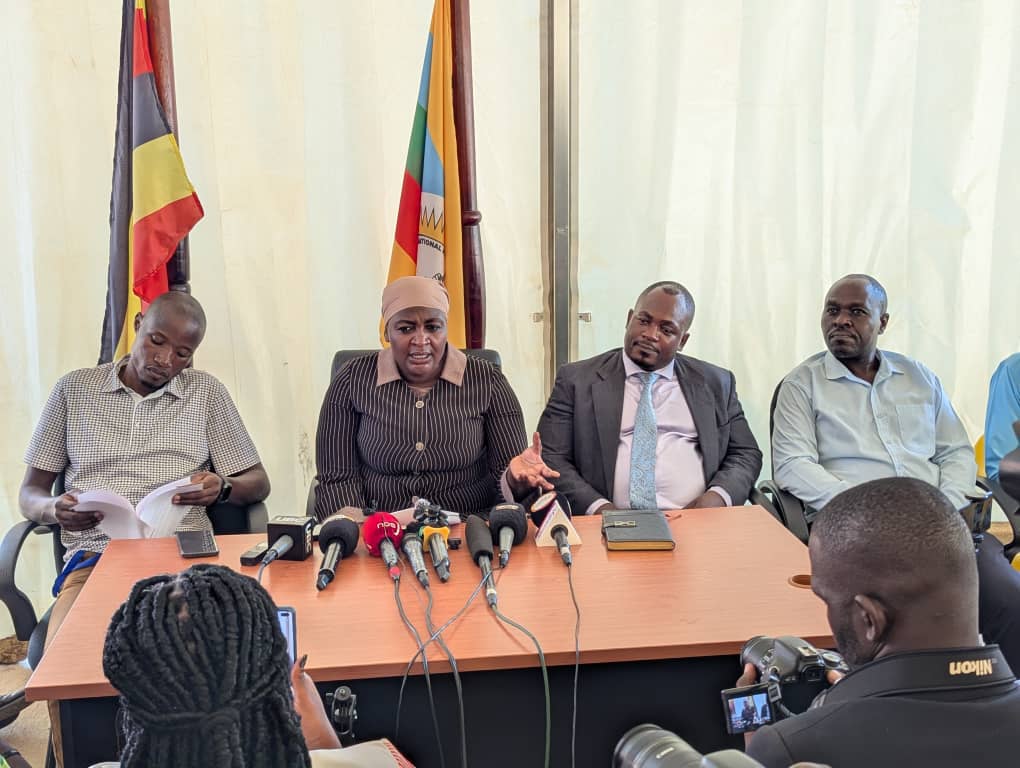
The Office of the National Chairman (ONC) of the National Resistance Movement (NRM) has called for a review of Uganda’s agricultural input support system, warning that rising costs and limited access to quality planting materials could undermine efforts to increase household incomes and transform the agricultural sector.
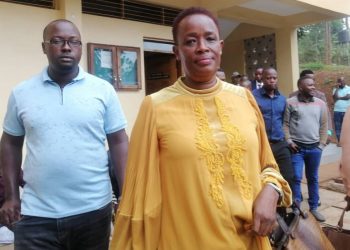
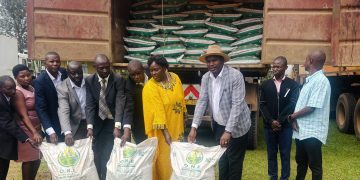
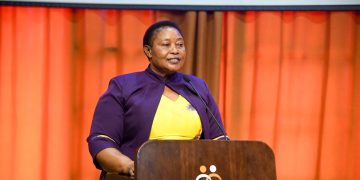
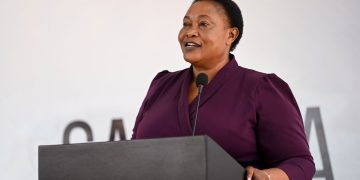
ONC Head Hajjat Hadijah Namyalo Uzeiye said farmers in different parts of the country are struggling to obtain affordable and certified agricultural inputs, particularly coffee seedlings, at the right time.
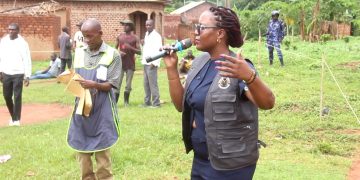
She said the concerns have emerged from engagements conducted by ONC coordinators across districts and regions with farmers, community leaders and farmer groups.
“We are tired of begging the air to breathe, we need to be the air itself,” Namyalo said, calling for stronger interventions that would enable farmers to produce sustainably and benefit from agriculture.
Namyalo said farmers being encouraged to embrace high-value crops such as coffee are increasingly questioning where they can obtain quality planting materials at affordable prices.
According to the ONC, the cost of establishing and maintaining farms has become a major concern for some households, with farmers sometimes reducing the number of seedlings they plant or redirecting money intended for agricultural activities to urgent needs such as food and school fees.
The office said the challenge could also undermine the objectives of the Parish Development Model (PDM), which seeks to transition households from subsistence production into the money economy.
The ONC argues that providing farmers with financing alone may not deliver the desired results if beneficiaries cannot access affordable inputs, extension services and reliable markets.
The office has therefore called on the Ministry of Agriculture, Animal Industry and Fisheries, the Ministry of Local Government and local governments to review the existing framework for distributing agricultural inputs.
It wants government to adopt a more strategic and region-specific approach that considers climatic conditions, appropriate crops, soil suitability and planting seasons when determining which inputs should be supplied to farmers.
The ONC also wants agricultural inputs to be distributed according to farmers’ needs and production capacity, with stronger monitoring systems to minimise diversion and ensure that the intended beneficiaries receive the support.
Namyalo said there was also a need to strengthen coordination between PDM financing, agricultural input distribution, extension services and market access.
She stressed that government interventions should go beyond simply handing farmers seedlings and instead ensure that they have the resources and technical support required to plant, maintain and eventually harvest productive crops.
The ONC warned that continued increases in agricultural input costs could reduce production, weaken household incomes and affect Uganda’s export earnings, particularly if farmers scale back investment in major cash crops such as coffee.
The office said it supports government’s agricultural transformation programmes but believes they should be regularly reviewed and adjusted in response to challenges reported by farmers on the ground.
According to the ONC, Uganda’s farmers are willing and capable of increasing production but require an enabling environment in which quality inputs are affordable, accessible and available when needed.
It said improving agricultural input support would not only strengthen household production but also contribute to food security, increased incomes, higher agricultural exports and Uganda’s broader economic transformation agenda.