






















The Minister of State for Karamoja Affairs, Esther Anyakun, has appealed for more support for communities in the Karamoja sub-region, saying thousands of people continue to face food insecurity despite interventions by government and other well-wishers.
Anyakun said food relief donations from individuals, organisations and development partners had restored hope among vulnerable communities but stressed that more assistance was needed to address the growing challenges facing the region.
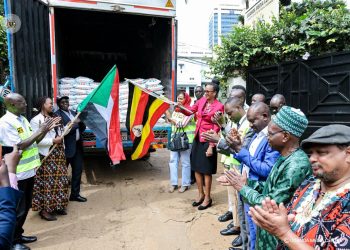
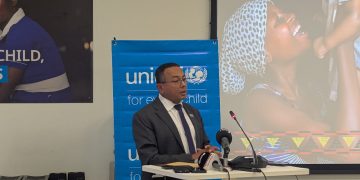
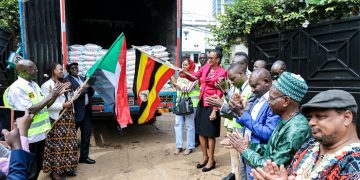
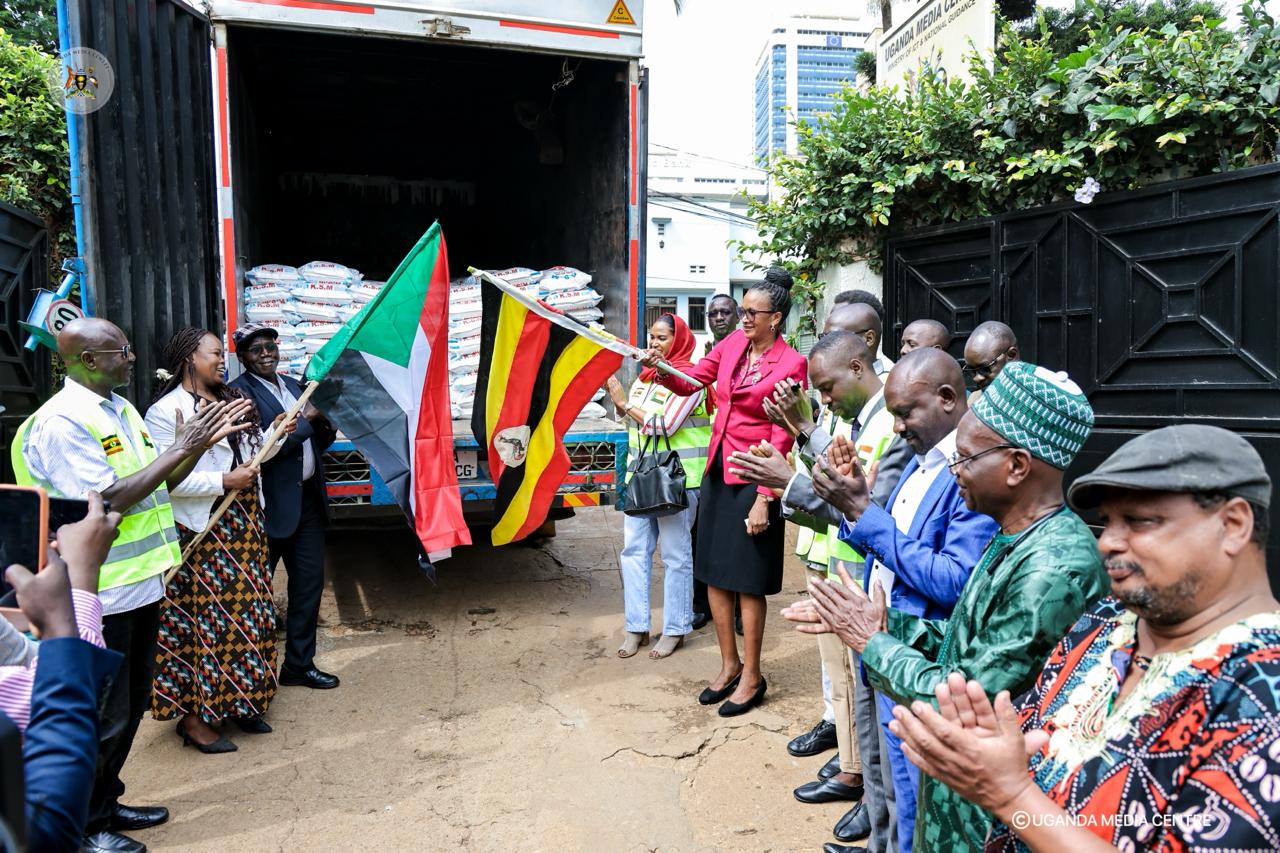
She made the remarks at the Uganda Media Centre in Kampala while receiving and flagging off a food relief donation by the Sudanese Community in Uganda, aimed at supporting vulnerable households in Karamoja.
The minister commended the Sudanese community for responding to the plight of the people, urging other individuals, organisations and well-wishers with the capacity to contribute towards alleviating hunger in the region.
“I want to thank the Sudanese Community in Uganda for standing with the people of Karamoja. Many entities, including the Government of Uganda, have contributed more than Shs45 billion, while others have also stood with the people of Karamoja,” Anyakun said.
She, however, noted that food insecurity in the region remained a serious concern, explaining that even communities that attempt to grow their own food often fail to obtain meaningful harvests because of the difficult agricultural conditions.
According to Anyakun, the situation requires sustained interventions beyond emergency food donations to ensure that vulnerable households can access reliable sources of food.
The Sudanese community’s team leader said the initiative would initially benefit approximately 650 families through the distribution of food supplies, adding that the intervention was intended to ensure that assistance reaches households struggling to secure their daily meals.
“Today, we are beginning the first stage: delivering food supplies to around 650 families in Karamoja, so that help reaches homes that need a meal today, not tomorrow,” the team leader said.
The team leader also pledged transparency in the management of the donations, saying the community would openly account for all contributions received and expenditure incurred during the initiative.
However, the team leader said the intervention was not intended to remain limited to emergency food relief, but would eventually develop into a broader programme aimed at strengthening community resilience and self-reliance.
The initiative, referred to as Nafeer, is intended to encourage communities to develop sustainable ways of producing, storing and sharing food rather than depending entirely on external assistance whenever a crisis occurs.
“Hunger has taught us, in our country and here, that a community that depends entirely on others remains vulnerable when the next crisis hits,” the team leader said.
“That is why we want this Nafeer to grow into something bigger: communities that can rely more on themselves, that grow their own food, store it, share it, and stand on their own feet, so that in the end no one is left in need.”
The team leader called upon more people and organisations to join the initiative, saying collective efforts would help turn the immediate food relief intervention into a sustainable response to hunger.
Karamoja has for years experienced recurring food insecurity, with vulnerable households often relying on humanitarian assistance amid harsh climatic conditions and limited agricultural productivity.
Anyakun’s appeal highlights the need for continued humanitarian support alongside long-term interventions that can improve food production, storage and household resilience in the region.