























The Uganda National Examinations Board has released the 2026 national examinations timetable, with the Uganda Certificate of Education examinations set to begin with candidate briefing on October 8.
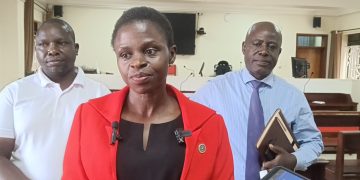
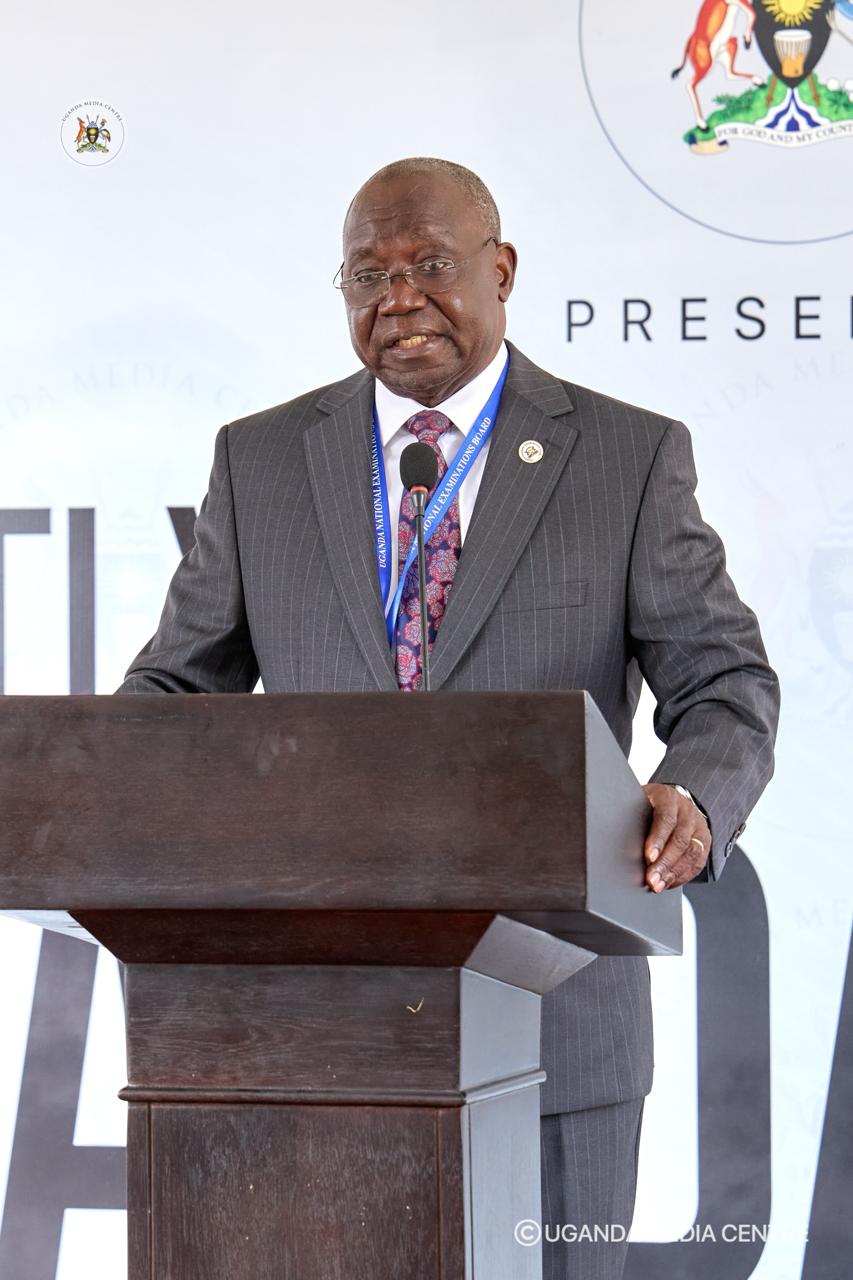
UNEB Executive Director Dan Odongo released the timetable on Wednesday, outlining dates for the Uganda Certificate of Education (UCE), Primary Leaving Examination (PLE) and Uganda Advanced Certificate of Education (UACE).
PLE candidates will be briefed on October 30 before sitting their examinations on November 3 and 4, while UACE candidates will have their briefing on November 6, with the examination period running until December 5.
Odongo said the timetable is available to heads of examination centres through their school portals, while hard copies will be distributed alongside examination stationery. The timetable will also be published on the UNEB website and its social media platforms.
Braille versions of the UCE and UACE timetables have also been prepared for candidates with visual impairments.
This year’s examinations will be conducted under the theme, “Advancing Excellence in Assessment and Certification through Secure, Credible, Inclusive and Innovative Processes.”
Odongo said the theme emphasises examination security, credibility, inclusion of learners with special educational needs and the use of innovation in assessment.
The release comes as UNEB records a sharp rise in examination candidature. A provisional 1,627,885 candidates have registered for the three examinations, an increase of 211,437 candidates, or 14.9 per cent, compared with 2025.
Female candidates account for 52 per cent of the total, while males constitute 48 per cent. UNEB also registered 6,090 learners with special educational needs.
Odongo attributed the rising candidature partly to improved school completion rates and increased access to education, although he said further research would be needed to establish the exact reasons.
Registration for science subjects at UACE has also increased sharply. Physics candidates rose from 21,302 in 2025 to about 35,000 this year, while Chemistry increased from 37,134 to 64,501. Biology candidates rose from 35,660 to 64,288.
UCE candidates sitting this year’s examinations are the third cohort to be assessed under the competency-based curriculum. UACE, however, is currently using an aligned curriculum as preparations continue towards full competency-based assessment.
Odongo said the revised UACE curriculum has removed overlapping and outdated content and reduced unnecessary workloads for learners. The examination questions will also include scenario-based tasks to assess the application of knowledge.
UNEB has already sent sample papers to schools to familiarise candidates with the new assessment approach.
The Board has also reminded schools that Continuous Assessment contributes 20 per cent of a UCE candidate’s final score, while the end-of-cycle examination contributes 80 per cent.
Odongo said only 82 per cent of UCE examination centres had submitted Continuous Assessment scores by Tuesday, leaving 18 per cent yet to comply. Schools have until September 30 to submit the required Senior Four scores.
He warned that candidates without Continuous Assessment scores would not be graded.
UNEB also cautioned schools against falsely registering learners as having special educational needs to obtain examination accommodations, and warned parents and candidates against scammers selling fake examination papers.
Odongo urged schools to follow examination guidelines and ensure candidates get adequate time to study and rest ahead of the examinations.