






















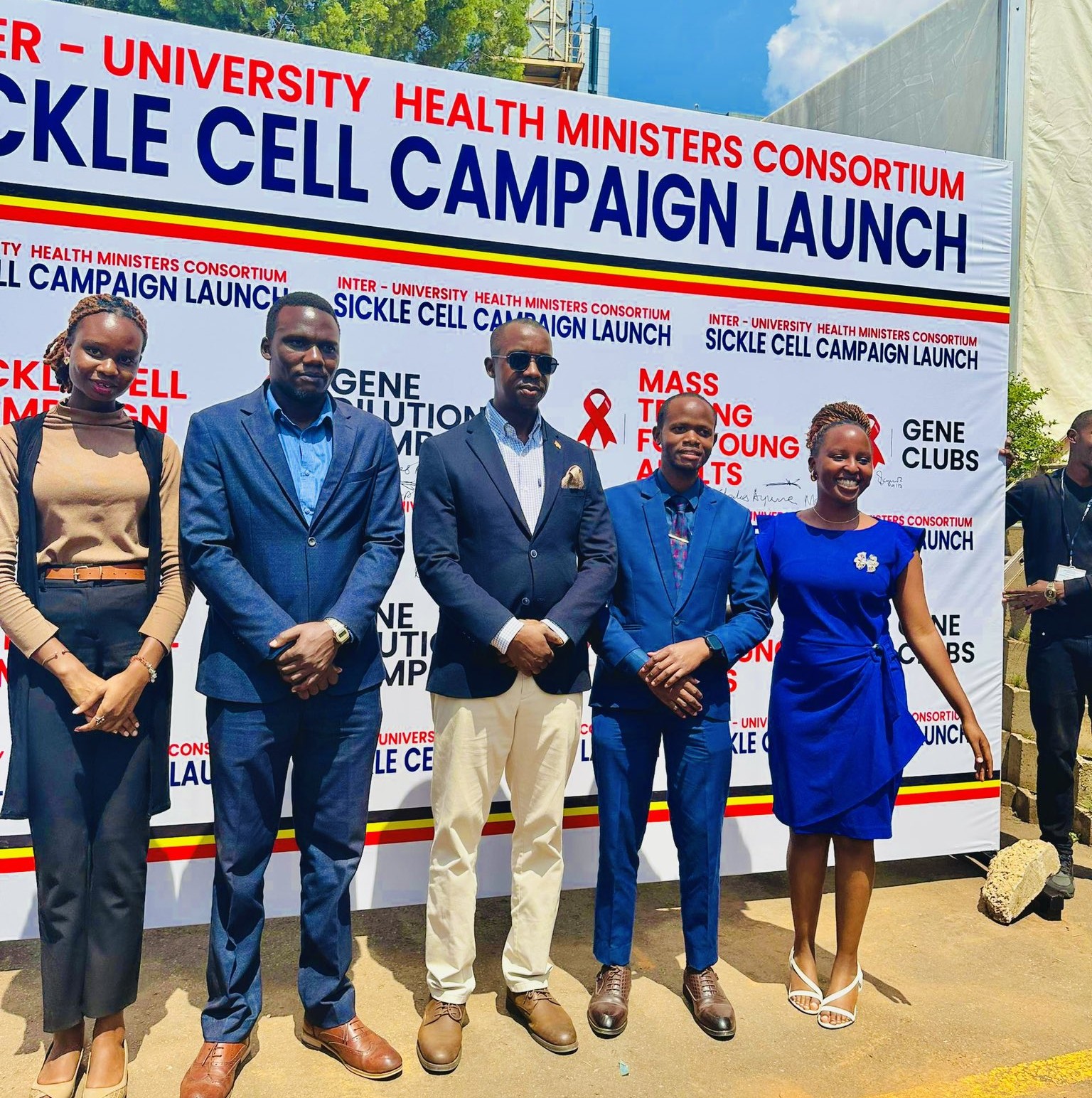
The Ministry of Health has launched a nationwide sickle cell awareness and screening campaign targeting universities and other higher institutions of learning, in a move aimed at increasing testing and preventing the spread of the inherited blood disorder.
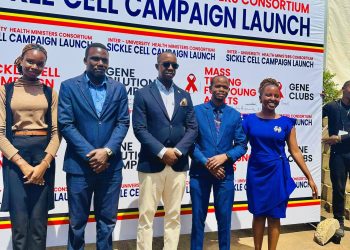
The initiative, dubbed the Inter-University Health Ministers Consortium Sickle Cell Awareness and Screening Campaign, brings together student health leaders from 80 universities and tertiary institutions to champion sickle cell education and screening on their respective campuses.
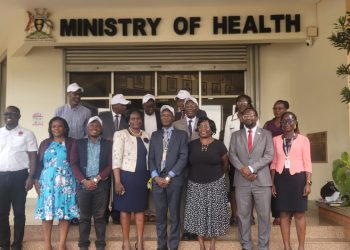
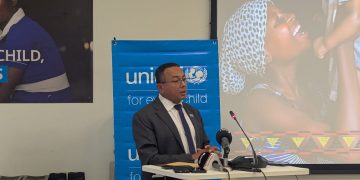
Speaking at the launch held at the Ministry of Health headquarters in Kampala, the Minister of State for Primary Health Care, Dr Charles Ayume, described the student-led campaign as a timely intervention that demonstrates the commitment of young people to improving public health.
He said the programme would complement government efforts to combat sickle cell disease by promoting awareness and encouraging students to know their sickle cell status.
Dr Ayume revealed that the ministry will provide screening kits to support testing activities planned by participating institutions, including campaigns scheduled at Makerere University.
He noted that the initiative comes shortly after Parliament urged government to prioritise sickle cell disease as a major public health challenge.
According to the minister, Uganda has already registered important milestones in sickle cell management, including the local production of Hydroxyurea, a drug commonly used in treatment, and the country’s first successful bone marrow transplant carried out by Ugandan specialists.
Beyond sickle cell disease, Dr Ayume challenged student leaders to use their influence to address other health concerns affecting young people, such as mental health challenges, sexual and reproductive health issues, gender-based violence, substance abuse and unintended pregnancies.
He pledged continued engagement with student leaders, saying his office would maintain an open-door policy to support their initiatives.
The Director General of Health Services, Dr Charles Olaro, said university students are a key target group because many are beginning to make decisions about marriage and future families.
He explained that increasing awareness and encouraging young people to test before marriage can help couples make informed choices and reduce the number of children born with sickle cell disease.
Dr Olaro added that the ministry intends to use the platform to educate students on a broader range of health issues, including non-communicable diseases, HIV prevention, mental health, substance abuse and sexual and reproductive health, while encouraging them to take greater responsibility for their wellbeing.
Meanwhile, the National Coordinator of the Ministry of Health Sickle Cell Disease Programme, Dr Miriam Ajambo, said universities that are properly organised and able to account for testing supplies will receive locally manufactured Microscreen rapid diagnostic test kits to conduct screening exercises.
She observed that the campaign coincides with preparations for the admission of fresh students, presenting institutions with an opportunity to encourage newcomers to determine their sickle cell status before starting campus life.
Dr Ajambo stressed that screening should be accompanied by counselling to help students understand their results and make informed decisions when entering relationships.
She warned that when two people who carry the sickle cell trait have children together, each pregnancy carries a 25 percent chance of resulting in a child with sickle cell disease.
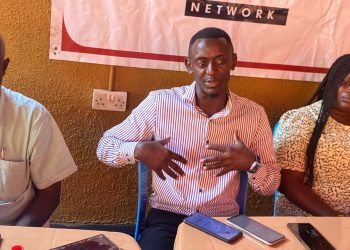
The Chairperson of the Inter-University Health Ministers Consortium and Makerere University Guild Health Minister, Wamezaya Ebenezer, welcomed the partnership, saying it gives student leaders a chance to contribute to health policy discussions while leading awareness campaigns in their institutions.
He said participating universities, nursing schools and other higher institutions will organise medical camps, seminars, workshops and webinars to educate students and conduct sickle cell screening with support from the Ministry of Health.
Members of the consortium are expected to return to their campuses as ambassadors to spearhead sustained awareness and screening programmes aimed at reducing the burden of sickle cell disease in Uganda.