
























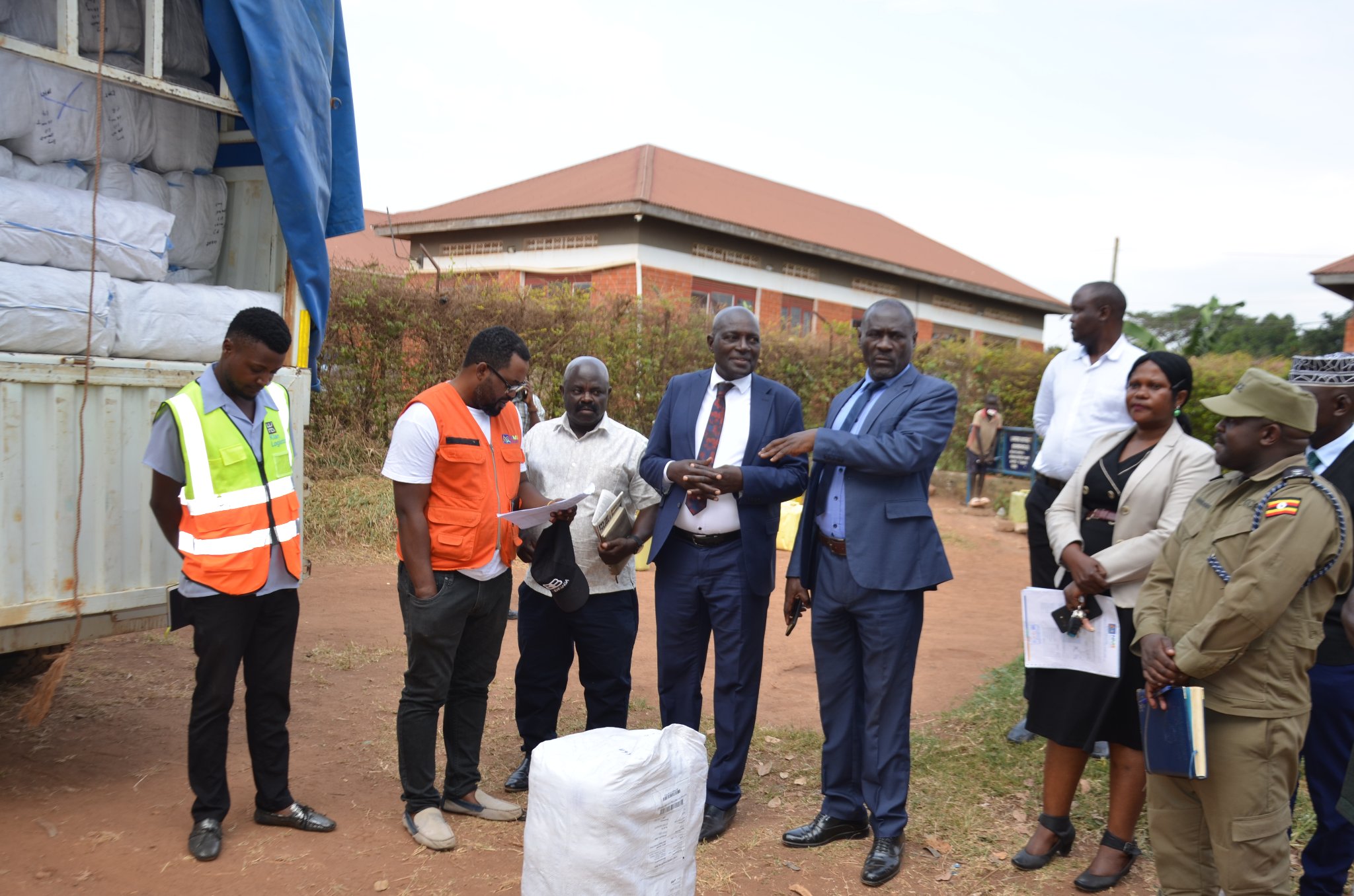
Luwero district officials receiving mosquito nets for distribution in fight against malaria
At least 276 people died from diseases that are largely preventable in Luwero District during the 2025/26 financial year, according to a district health report.
The report indicates that diabetes mellitus has emerged as the leading cause of death, claiming 43 lives, followed by malaria, which killed 33 people, and tuberculosis (TB), which accounted for 29 deaths.
Urinary Tract Infections (UTIs) claimed 23 lives, while pneumonia caused 22 deaths. HIV nephropathy was responsible for 20 deaths, hypertension stages 1 and 2 claimed 19 lives, peptic ulcers killed 15 people, while coughs and colds accounted for 14 deaths.
Other diseases collectively caused 58 deaths, according to the report. The report further indicates that the disease claimed 148 men and 128 women . Out of 276 people who died within the health facilities, 113 persons were children below five years
Diabetes mellitus, the leading killer in the district, is a chronic metabolic condition in which the body cannot properly regulate blood sugar, resulting in abnormally high blood glucose levels.
Health experts associate the risk of developing diabetes with factors including excess body weight, physical inactivity and frequent consumption of highly processed foods. Tobacco smoking and other lifestyle factors may also increase the risk.
Malaria, the second leading cause of death, is transmitted through infected mosquitoes but is both preventable and treatable.
However, Dr Innocent Nkonwa, the Luwero District Health Officer, attributed many of the malaria deaths to patients reporting to health facilities late after developing severe symptoms, as well as poor self-medication.
Nkonwa said the district would intensify its test-and-treat strategy in the fight against malaria, promote the use of mosquito nets and encourage residents to seek treatment early.
“Although malaria cases should not be there, at least there is a decline compared to past years. There is a decline in both admissions and deaths. We shall keep up the fight until we eliminate malaria deaths,” Nkonwa said during a joint health review meeting held at Fatima Hall in Luwero Town.
Nkonwa added that some of the diseases were linked to lifestyle choices and urged residents to pay greater attention to their diets and daily habits.
Robert Ssekitoleko, the Bamunanika County Member of Parliament, also warned about the dangers of physical inactivity, saying it was contributing to the growing burden of lifestyle-related diseases among residents.
Ssekitoleko encouraged residents to embrace regular physical exercise, including cycling and walking, which he said do not require significant financial resources.
“I drive manual cars, ride bicycles at home and watch what I eat. Surely, where will such diseases find me?” Ssekitoleko said.
The district health authorities have called for greater community involvement in preventing avoidable deaths, urging residents to seek medical care early, avoid self-medication and adopt healthier lifestyles.
With diabetes and other lifestyle-related conditions increasingly contributing to deaths, health officials say prevention, regular exercise, proper nutrition and timely treatment remain critical to reducing the disease burden in Luwero