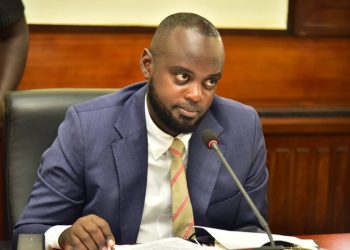








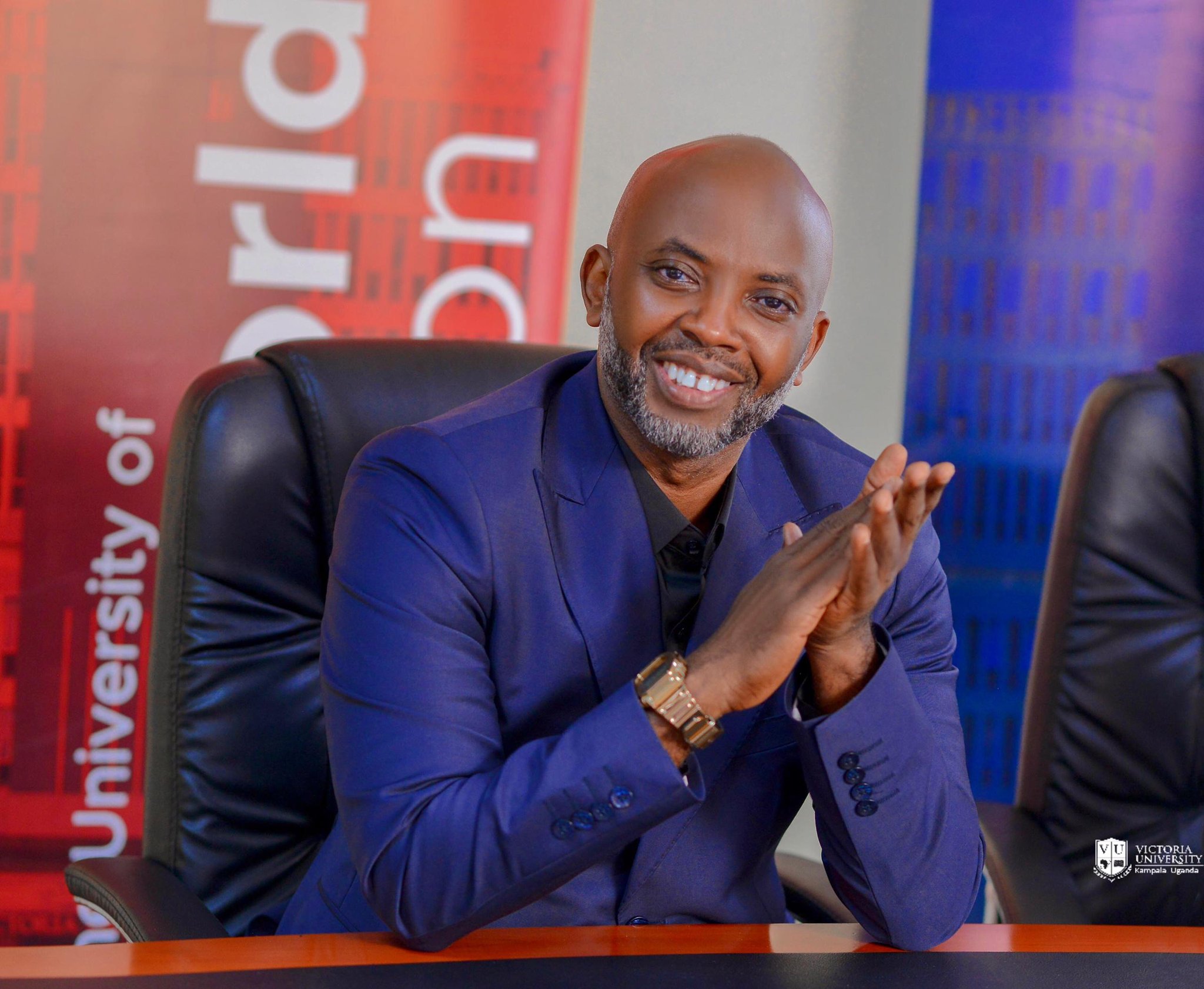
The Uganda Law Society (ULS) has defended its position on the scrutiny surrounding the appointment of Dr. Lawrence Muganga as Minister of State for Internal Affairs, stating that the debate is rooted in constitutional compliance rather than personal or political attacks.
In a statement issued on Saturday, the lawyers’ body emphasized that the concerns raised relate to the interpretation and application of Uganda’s citizenship laws and the constitutional requirements governing eligibility for certain public offices.
According to the ULS, Article 15(7) of the Constitution empowers Parliament to determine offices that cannot be held by dual citizens. The Governing Council further pointed to Section 23 of the Uganda Citizenship and Immigration Control Act, together with the Fifth Schedule, which restricts dual citizens from occupying specified state positions, including Cabinet and Minister of State roles, unless Parliament formally amends the schedule through a resolution.
The society stressed that while citizenship is ordinarily a private matter, it becomes a legitimate issue of public interest when an individual is nominated or appointed to high public office, especially positions linked to national security and state sovereignty.
ULS noted that it does not routinely investigate or publicly comment on citizenship matters. However, it said it was compelled to respond after Dr. Muganga addressed concerns about his vetting process on social media.
The lawyers’ body also cautioned Dr. Muganga and his supporters against framing legal questions about eligibility as expressions of anti-Rwanda sentiment, tribalism, or racism.
“Such statements, made without verification, risk polarizing public debate, weakening respect for the rule of law, and shifting focus from the constitutional requirements at stake,” the statement read.
In a separate comment, lawyer Isaac Ssemakadde, speaking on the matter, warned against diverting attention from legal scrutiny. “He is strongly cautioned to cease and desist from stoking fires that have nothing to do with the ongoing vetting process. He should simply focus on what the law requires, not what he desires it to be,” he said.
The ULS further clarified that its position should not be interpreted as opposition to dual citizenship in principle. It noted that dual citizens remain an important part of Ugandan society, but argued that constitutional restrictions on specific offices are designed to protect sovereignty and ensure undivided allegiance in sensitive state roles.
The society also renewed its call for greater transparency in parliamentary vetting procedures. It criticized Rule 171(2) of the Rules of Procedure of Parliament of Uganda, which allows vetting sessions to be conducted behind closed doors, and urged the 12th Parliament to consider reforms that would enhance public participation and accountability.
In addition, the ULS disclosed that its Governing Council had resolved to formally request access to the report of Parliament’s Appointments Committee. It said the document would help determine whether the vetting process complied with constitutional and statutory requirements governing ministerial appointments.
The society called on the new parliamentary leadership to release the report without delay, arguing that timely access would strengthen public confidence in the integrity of the appointment process.
While reiterating its rejection of xenophobia in all forms, the ULS maintained that the matter should be treated strictly as a question of constitutional interpretation and legal compliance, rather than prejudice against any community or nationality.
“The ULS remains committed to the supremacy of the Constitution, the rule of law, and the protection of Uganda’s sovereignty,” the statement concluded.
On Friday, Dr. Muganga spent time at his parents’ graves in Seeta, where he was reportedly emotional. He later alleged that he is being witch-hunted by the Speaker of Parliament, Thomas Tayebwa, whom he accused of hostility toward Banyarwanda.