























The Insurance Regulatory Authority of Uganda (IRA-Uganda) has intensified efforts to increase farmers’ enrollment in the Uganda Agricultural Insurance Scheme (UAIS), citing growing threats from climate change, pests, diseases and counterfeit agricultural inputs.
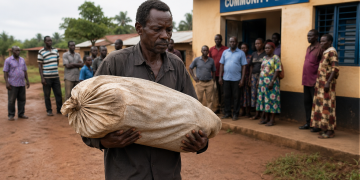
Despite government support for the scheme over the past decade, officials say participation remains low, leaving thousands of farmers vulnerable to devastating financial losses caused by extreme weather and other agricultural risks.
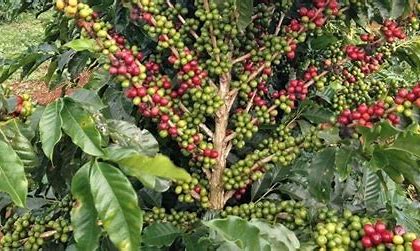
Since the 2016/17 financial year, the Government of Uganda has allocated Shs5 billion annually to subsidize agricultural insurance premiums under the Uganda Agricultural Insurance Scheme. The subsidy is designed to make insurance more affordable for farmers while protecting them against losses caused by drought, floods, hailstorms, pests and crop diseases.
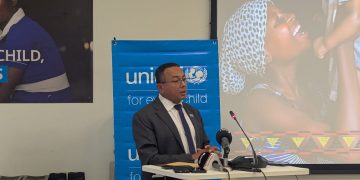
However, according to Dr. Protazio Sande, the Acting Chief Executive Officer of IRA-Uganda, uptake of the scheme has remained below expectations despite the financial support.
He said the regulator is now working with insurance providers to improve the attractiveness and effectiveness of the programme by combining insurance services with practical agricultural support.
“Insurance should not only compensate farmers after losses occur. It should also help them prevent those losses through better farming practices,” Dr. Sande said.
As part of the new approach, insurance companies implementing the scheme have been directed to provide farmers with technical guidance on farm management alongside insurance cover.
Under the Uganda Agriculture Insurance Consortium, IRA-Uganda has also made it mandatory for participating insurance companies to recruit qualified agricultural extension service providers. These experts will offer farmers technical advice, monitor farming activities and promote best agricultural practices aimed at reducing risks.
Dr. Sande said the increasing frequency of climate-related disasters, coupled with the widespread circulation of counterfeit farm inputs, has made agricultural insurance more important than ever.
He noted that the regulator is broadening the scheme to make it more relevant and accessible to ordinary farmers, including smallholder producers who have traditionally been left out.
Current estimates indicate that between 75,000 and 100,000 farmers are enrolled under the government-subsidized scheme. Most beneficiaries are medium- and large-scale farmers, many of whom access the insurance through commercial bank-financed agricultural loans.
The regulator hopes that strengthening extension services and increasing awareness will encourage more smallholder farmers to enroll, improving the sector’s resilience against increasingly unpredictable weather and other agricultural risks.
Agriculture remains the backbone of Uganda’s economy, employing the majority of the population, but the sector continues to face mounting challenges from climate change, pests, diseases and poor-quality farm inputs, making risk management an increasingly important component of sustainable agricultural production.