






The National Resistance Movement (NRM) Parliamentary Caucus has endorsed former United Nations Under-Secretary-General Olara Otunnu’s bid for the position of UN Secretary General, citing his experience, integrity and previous service in the international organisation.
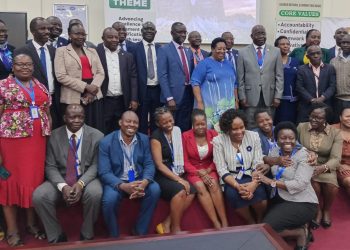
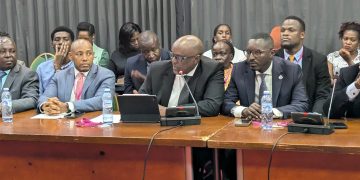
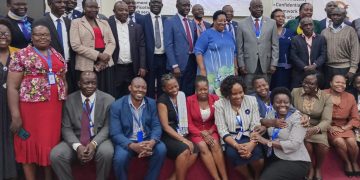
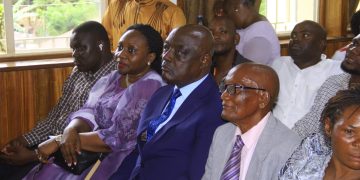
The endorsement was among the resolutions adopted during the third NRM Parliamentary Caucus meeting of the 12th Parliament held on Friday at Speke Resort Munyonyo in Kampala.
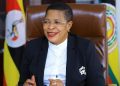
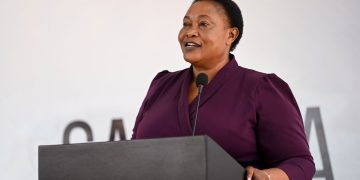
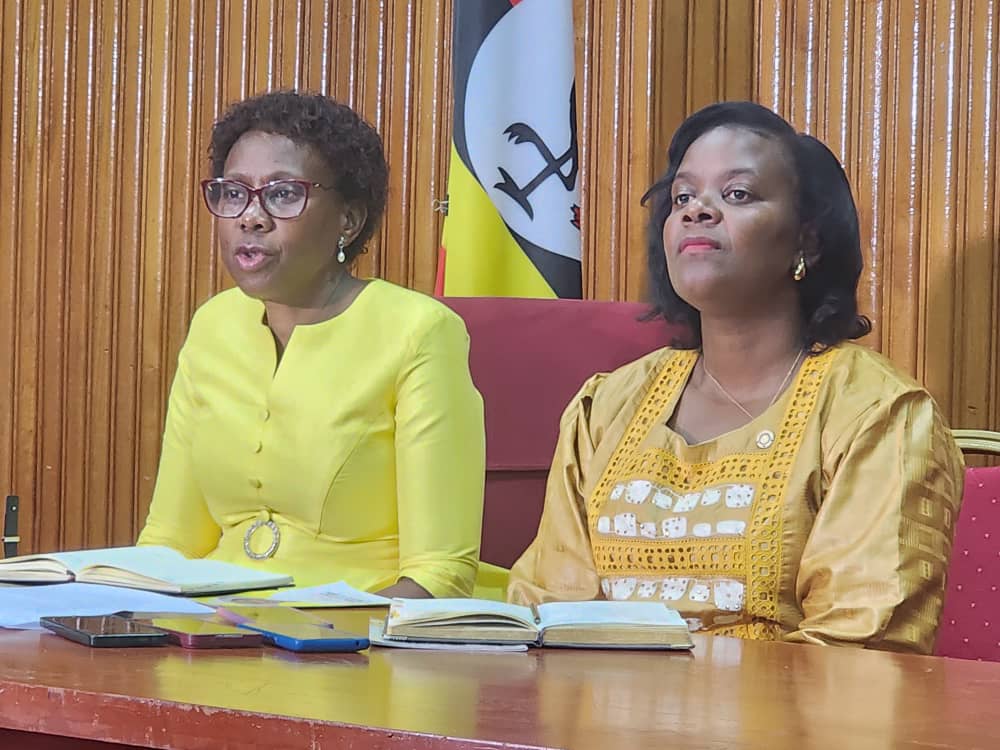
The meeting was chaired by Government Chief Whip and NRM Parliamentary Caucus Chairperson, Dr Jane Ruth Aceng Ocero, and attended by President Yoweri Kaguta Museveni, who interacted with the lawmakers and provided strategic guidance.
Dr Aceng said the decision to support Otunnu was based on his qualifications and experience, rather than any other considerations.
“We value eminent persons with good backgrounds and high levels of integrity who can serve in high positions. Dr Olara Otunnu previously served in the United Nations and has the qualities and qualifications that would make him a good Secretary General,” she said.
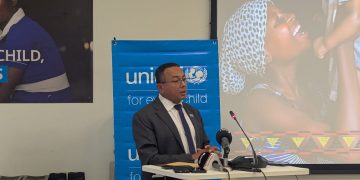
Otunnu served as UN Under-Secretary-General and Special Representative of the Secretary-General for Children and Armed Conflict.
Dr Aceng said President Museveni did not discuss Uganda’s possible deployment of troops to Gaza for a peace mission or explain the decision to support Otunnu’s candidature during the caucus meeting.
The caucus also reaffirmed Uganda’s commitment to promoting peace and stability globally, arguing that peace in different regions is essential for international trade, economic growth and cooperation.
Dr Aceng said Uganda could not afford to operate in isolation and must continue strengthening regional integration and trade relations within East Africa, across Africa and with the wider international community.
The NRM lawmakers also pledged to promote discipline, integrity and adherence to electoral guidelines following concerns over irregularities reported during the recent Local Council I and Women Council elections.
Dr Aceng said the caucus received a report on challenges affecting the electoral process and reaffirmed the party’s opposition to malpractice and violence.
“NRM has always pushed for peaceful, fair and free elections. We condemn malpractice and elections that turn violent,” she said.
The caucus resolved to continue supporting ongoing and forthcoming local and women council elections while urging its members and supporters to comply with established electoral guidelines.
The lawmakers further committed themselves to strengthening the fight against corruption across government institutions and other sectors.
Dr Aceng said the commitment should not be viewed as a political statement but as a responsibility shared by the NRM leadership, government agencies tasked with fighting corruption and members of the Parliamentary Caucus.
“The fight against corruption is not lip service. It is being taken seriously by the party chairperson, government institutions concerned with fighting corruption and ourselves as members of the caucus,” she said.
She, however, cautioned against condemning suspects before investigations are completed, saying anyone accused of corruption should be investigated and given an opportunity to be heard before a final judgment is made.
Independent MPs Admitted To Caucus
The caucus also welcomed NRM-leaning independent Members of Parliament into its ranks, while clarifying that their participation does not alter their status as independent legislators.
According to Dr Aceng, the MPs will support government positions on the floor of Parliament while retaining their independent status.
The lawmakers also reaffirmed a monthly contribution of Shs250,000 from each NRM MP. Of this amount, Shs150,000 will be remitted to the NRM Secretariat, while Shs100,000 will remain with the Parliamentary Caucus to support its activities.
Dr Aceng defended the contribution, saying political parties require financial support from their members to sustain their operations and activities.
Other Resolutions
The caucus also resolved to support strategic government programmes in defence and security, railway development, road infrastructure, irrigation, health and education.
Other priorities include strengthening implementation of the Parish Development Model, promoting value addition and regional integration, increasing vigilance against crime and corruption, and addressing challenges related to school fees in public schools.