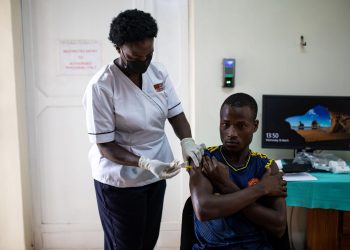










KAMPALA — The Ministry of Health will conduct a nationwide Measles-Rubella vaccination campaign targeting all children aged 9 to 59 months from October 1 to 5, 2026, in a renewed effort to curb recurring measles outbreaks across the country.
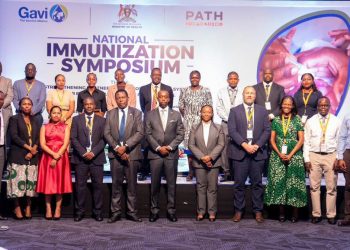
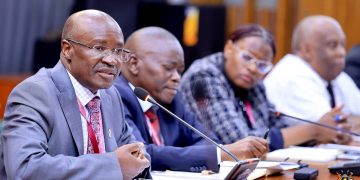
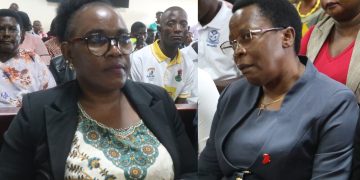
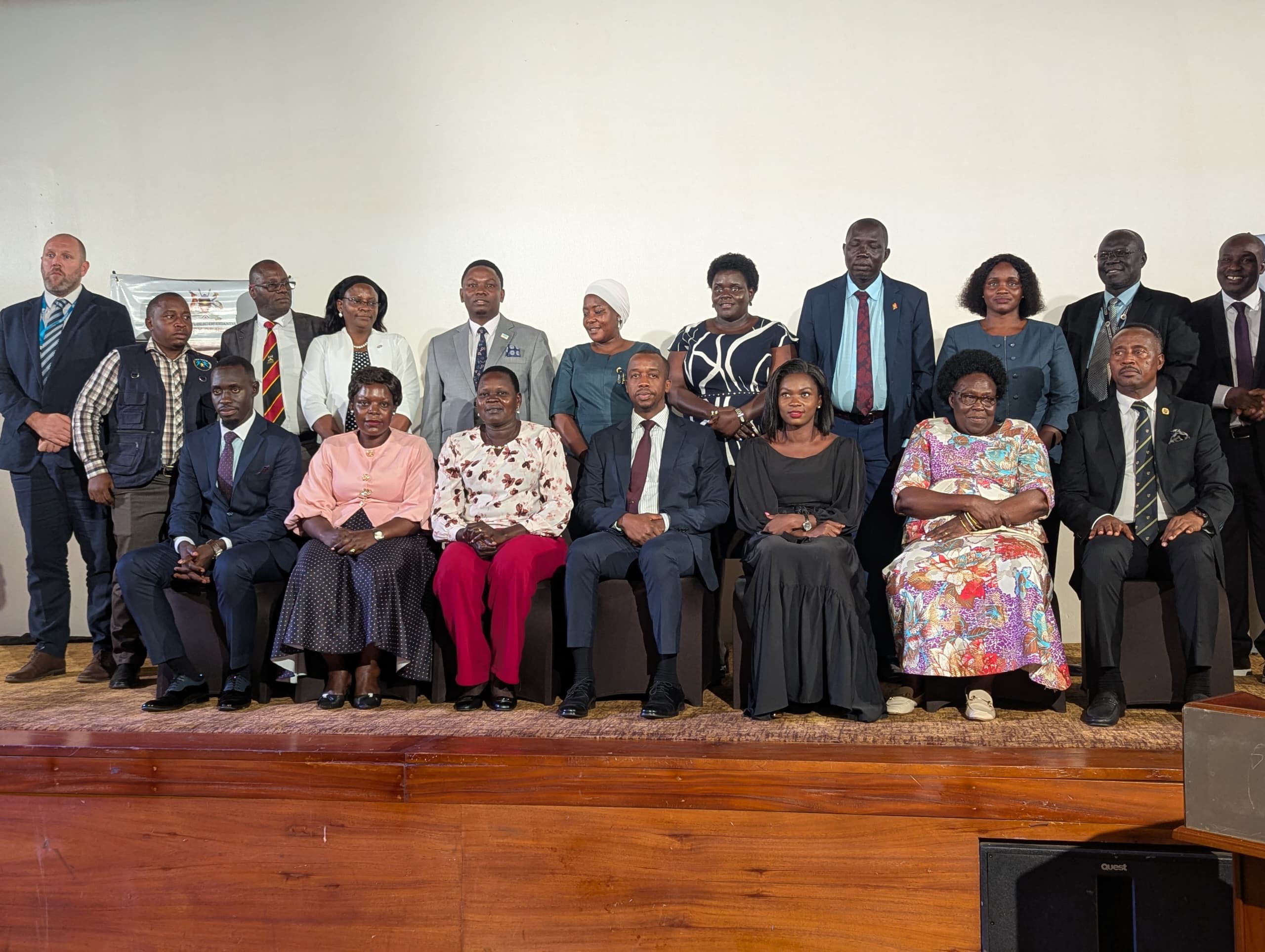
The announcement was made Wednesday during a high-level stakeholder sensitisation meeting held at Kabira Country Club in Kampala, where health officials called for stronger community mobilisation and stakeholder support ahead of the campaign.
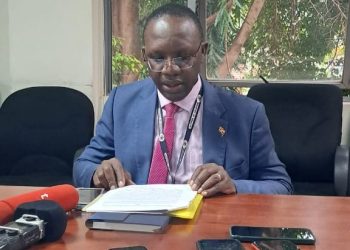
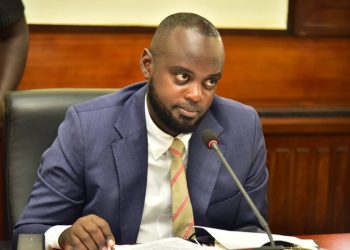
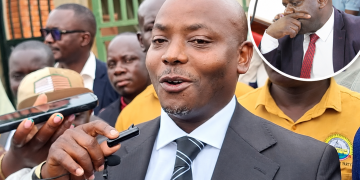
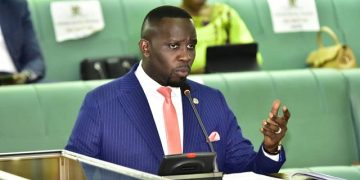
The meeting was graced by Hon. Dr Charles Ayume, Minister of State for Primary Health Care, who urged political leaders and other stakeholders to communicate the benefits of immunisation clearly to communities.
Ayume said leaders should use factual information to explain the dangers of measles and rubella and encourage parents to comply with vaccination programmes.
He warned that Uganda must protect the gains made through immunisation, describing vaccination as one of the country’s most important public health interventions.
“We maintain the status quo or we go up, we cannot go down,” Ayume said, urging stakeholders to prevent the country from reversing its immunisation gains.
He also raised concerns about declining funding for immunisation, saying the Ministry is working with government to address the financing gap.
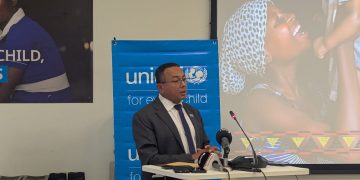
Jimmy Ameny, Gavi Grants Coordinator at the Uganda National Expanded Programme on Immunisation (UNEPI), said Uganda’s Gavi financing envelope has reduced from about US$74.9 million to US$51.9 million, representing a reduction of more than 40 percent.
He said Uganda previously spent between US$60 million and US$65 million annually on vaccines, meaning the new financing envelope could create additional pressure on the country’s immunisation programme.
Ameny said an investment case analysis estimates that Uganda would require about US$642 million over five years, equivalent to approximately US$128 million annually, to adequately support the immunisation programme.
Meanwhile, Dr Rita Atugonza, Deputy Programme Manager at UNEPI, said the major challenge is the gap between first- and second-dose measles vaccination coverage.
She said first-dose coverage has improved from about 83 percent in 2016 to around 95 percent, but second-dose coverage remains at only 64 percent.
“As long as these lines remain below 95 percent, we expect measles outbreaks to keep occurring in the country,” Atugonza said.
She revealed that 66 districts were declared measles outbreak districts in 2025, with some experiencing repeated outbreaks.
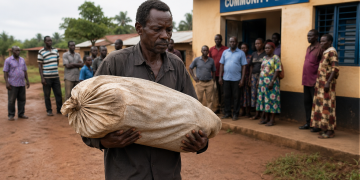
According to Atugonza, most children identified with measles had never received the measles vaccine, despite vaccines being available at national and district vaccine stores.
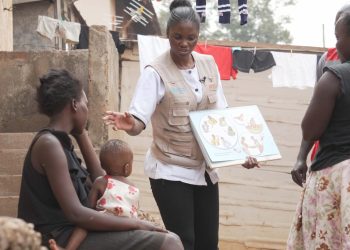
She attributed the continued outbreaks to low community awareness about the immunisation schedule, particularly the second dose given at 18 months, inadequate health education, weak surveillance and challenges in mobilising communities during outbreak responses.
The upcoming campaign will use fixed vaccination posts rather than door-to-door vaccination. District health teams will identify suitable vaccination points based on the distribution of children in their communities.
Atugonza also reassured parents that children who may have previously received a measles vaccine can still participate in the campaign, saying there is no danger of “overdosing” on vaccines.
The Ministry expects districts that fail to achieve the 95 percent coverage target to conduct mop-up activities using their own resources.
Dr Ayume also called for more accessible vaccination services, proposing that health facilities be established within major markets to serve traders and their children.
He noted that many women traders spend most of the day at markets, making it difficult for them to take their children to distant health facilities.
Ayume said market-based clinics could provide immunisation alongside basic health services and screening for diseases such as malaria, HIV, hepatitis B and syphilis.
Call for Parents to Complete Vaccination
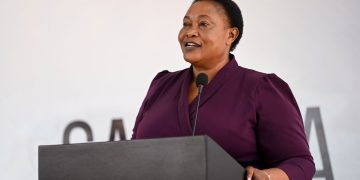
Hon. Sarah Namulondo, Woman Member of Parliament for Buyende District, urged parents to take advantage of nearby health facilities and ensure their children receive all recommended vaccine doses.
Namulondo noted that some children miss the first dose because they are delivered outside health facilities, while others fail to return for subsequent doses.
She particularly encouraged parents to ensure children receive the second measles dose, saying completing the vaccination schedule is critical to protecting children from preventable diseases.
She also called on parents to embrace immunisation as part of efforts to build a healthier population.
The Ministry of Health says about 1.8 million children are born in Uganda each year, making sustained routine immunisation essential to maintaining high population immunity.
The proposed campaign will be launched in Wakiso District on October 1, 2026, and will run for five days until October 5, followed by the October Child Health Days activities later in the month.
Health officials have urged the media, political leaders, religious and cultural leaders, education authorities and communities to support mobilisation efforts so that Uganda can achieve at least 95 percent vaccination coverage among eligible children.
ENDS.