




















Uganda’s fight against HIV/AIDS has registered significant progress over the years, but more than 34,400 new infections recorded by December 2025 have raised fresh concerns, particularly over the disproportionate burden among adolescent girls and young women.
Of the new infections, approximately 13,000 were among young people aged 15 to 24, with nearly 10,000 involving young women, highlighting persistent gender inequalities in the country’s HIV response.
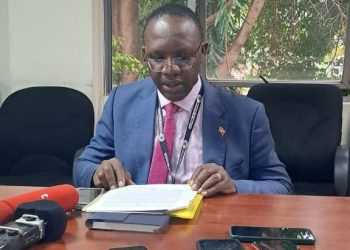
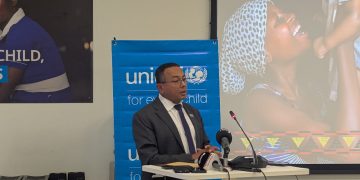
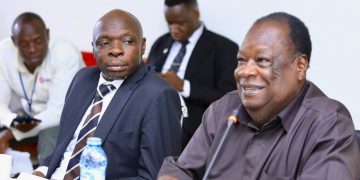
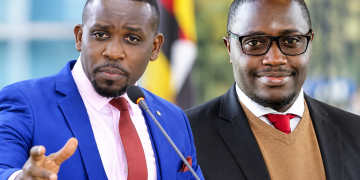
The figures were revealed during a press briefing at the Uganda Media Centre ahead of the 2026 National HIV and AIDS Symposium, scheduled for November 16 to 18 at Mbarara University of Science and Technology (MUST).
The symposium, organised by the Uganda AIDS Commission (UAC) in partnership with MUST, will focus on sustainable interventions to end AIDS as a public health threat by 2030.
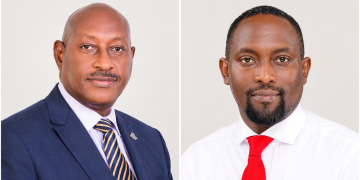
Dr Vincent Bagambe, UAC Senior Manager for Policy, Planning and Strategic Information, said Uganda had made considerable progress in controlling the epidemic, reducing national HIV prevalence from approximately 18 per cent in the early years of the epidemic to 5.9 per cent.
However, he warned that the gains could be reversed if the country fails to address persistent new infections among young people and the growing burden in some urban centres.
Fort Portal City has recorded an HIV prevalence of 16.6 per cent, followed by Soroti at 12.3 per cent and Lira at 11.5 per cent, all substantially above the national average.
Bagambe said the disproportionate burden among young women remained particularly worrying, noting that HIV prevalence among females in the 15 to 24 age group is almost four times that of their male counterparts.
He attributed Uganda’s progress to strong government leadership, community mobilisation and a multisectoral approach involving health workers, development partners and other stakeholders.
On treatment, Uganda has achieved 85.3 per cent of the first 95 target, representing people living with HIV who know their status. The country has reached 99.1 per cent of the second target, covering those diagnosed and receiving treatment, while 96.5 per cent of those on treatment have achieved viral suppression.
Dr Robert Mutumba, Programme Manager of the Ministry of Health’s AIDS Control Programme, said government was expanding combination prevention services to curb new infections.
He revealed that approximately 8.5 million HIV tests were conducted during the financial year ending June 2026, while more than 230,000 people accessed pre-exposure prophylaxis (PrEP), up from approximately 170,000 in the previous financial year.
Uganda has also started rolling out lenacapavir, a long-acting HIV prevention medicine administered twice a year, in 104 health facilities. The government plans to expand its availability to more than 300 facilities by the end of 2026.
Mutumba clarified that lenacapavir is not a vaccine and does not offer protection against other sexually transmitted infections or unintended pregnancies.
Meanwhile, Dr Ruth Ssenyonyi, Chairperson of the UAC Board, warned that persistent stigma and the country’s heavy reliance on external funding could undermine the sustainability of its HIV response.
She said development partners have historically contributed approximately 80 per cent of the funding for Uganda’s HIV response, making increased domestic financing critical to sustaining existing interventions.
Flavia Kyomukama, Executive Director of the National Forum of People Living with HIV/AIDS Networks in Uganda (NAFOPHANU), called for greater involvement of people living with HIV in policy formulation and scientific research.
She warned that funding cuts were already affecting community-based organisations that play a critical role in supporting HIV testing, treatment and care.
Jothan Mubangizi of UNAIDS called on families, religious leaders, government and development partners to invest more in young people, particularly girls, through education, access to health services and supportive social environments.
The three-day symposium will feature a national review of HIV interventions, discussions on sustainable financing, scientific presentations and a memorial lecture in honour of late musician and HIV/AIDS activist Philly Bongole Lutaaya.
As Uganda works towards its 2030 target of ending AIDS as a public health threat, stakeholders say the next phase of the response must prioritise preventing new infections, protecting adolescent girls and young women, eliminating stigma and securing sustainable domestic financing.