


















Women account for only 20 to 24 percent of voices represented in Uganda’s media despite making up about 51 percent of the country’s population, the Uganda Media Women’s Association (UMWA) has said.
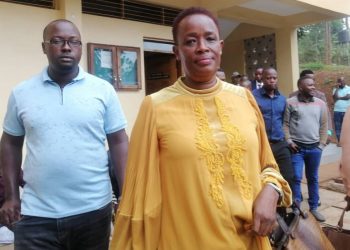
UMWA Executive Director Margaret Sentamu said the persistent imbalance has left women underrepresented across radio, television, print and online media, while those who appear in news reports are often portrayed negatively.
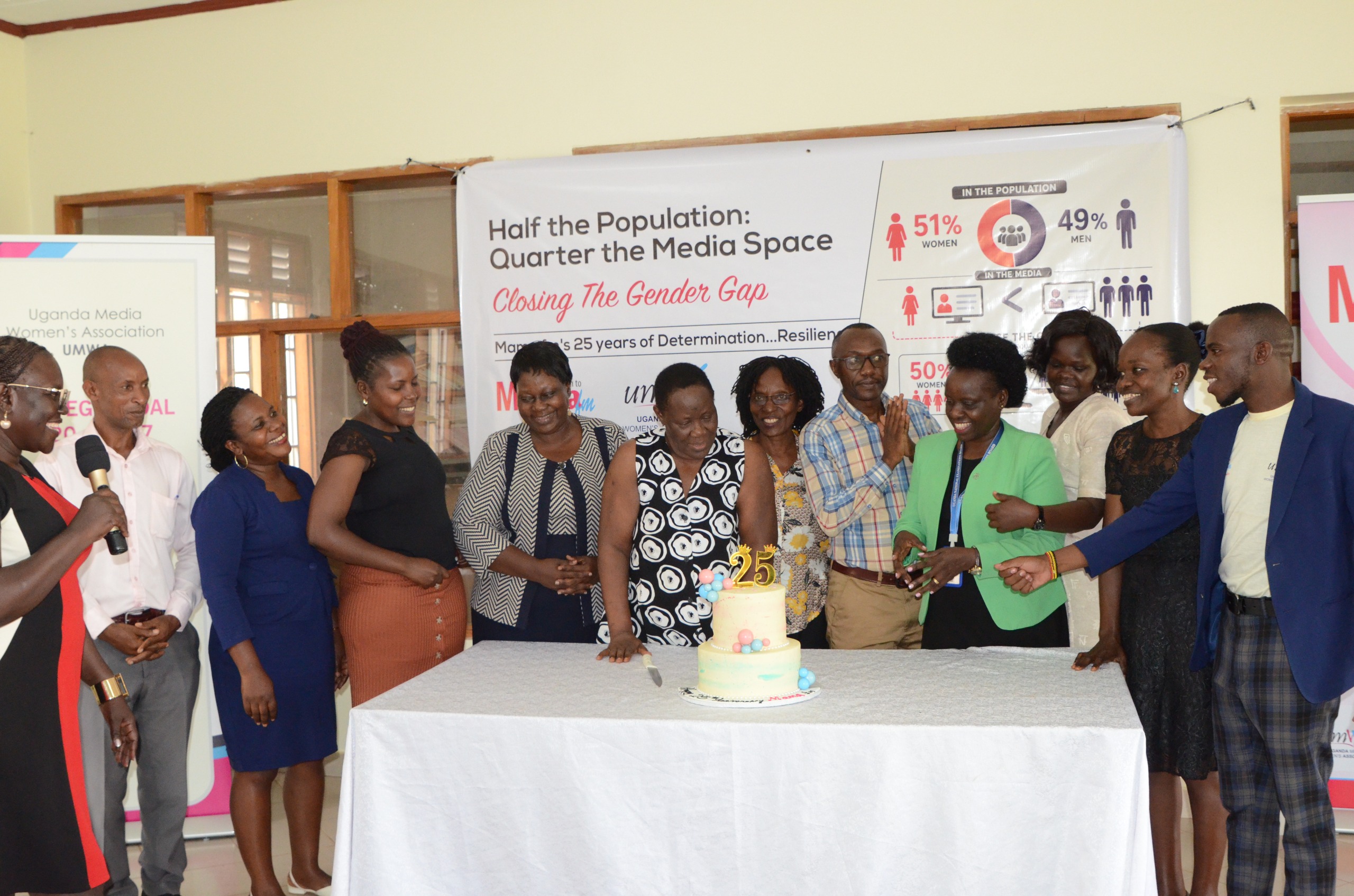
Sentamu made the remarks during celebrations marking 25 years of Mama FM, Uganda’s first women-focused radio station, which was established to give women and underserved communities greater access to information and a platform to participate in public discourse.
She said the figures are drawn from the Global Media Monitoring Project (GMMP), which has tracked the representation of women and men in the media since 1995.
Although women’s visibility in the media has improved over the years, Sentamu said progress has recently stagnated.
“Women are half of the population. We should also be half the media,” she said.
Sentamu called for deliberate measures to achieve gender parity in media representation and urged policymakers to make Uganda’s media laws and journalism training curricula more gender responsive.
She said addressing the imbalance requires not only increasing the number of women who appear in news stories but also changing how women are portrayed and strengthening their participation in media decision-making.
Despite its role in amplifying women’s voices, Mama FM is facing financial and operational challenges that threaten its sustainability.

Station Manager Catherine Apalat said the station lost financial support in 2008 but continued operating because communities still rely on it for information and public awareness.
She said the station has since faced several challenges, including damage to its transmitter by lightning and losses caused by unstable electricity supplies.
According to Apalat, Mama FM recently spent about Shs9 million replacing equipment damaged by power fluctuations.
The station also spends about US$3,000 annually on licensing and related costs, in addition to expenses for electricity, water, staffing, equipment maintenance and other operations.
Apalat appealed for government and development partner support to enable the station to continue providing programmes focused on women and community concerns.
She said the station also needs to replace ageing equipment, particularly its transmitter and generator, and expand its signal beyond the estimated 140-kilometre radius it currently covers.
Despite the financial constraints, Apalat said Mama FM continues to make a difference through its programming and community outreach.
She cited the case of a young girl whose story was broadcast by the station and later attracted support that enabled her to receive a wheelchair.
UN Women Urges More Women In Media Leadership
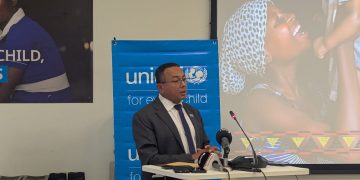
Representing UN Women Uganda, Juliet Nakato Odoi said Mama FM’s 25-year journey demonstrates the importance of creating media spaces where women can speak, participate in public debate and influence decisions affecting their communities.
Odoi said closing the gender gap in the media should go beyond increasing the number of women featured in news reports.
She called for more women to occupy editorial and management positions where key decisions about news coverage and content are made.
She also encouraged media organisations to embrace digital technologies as a way of creating more opportunities for women and girls to participate in public discourse.
Meanwhile, Hajat Safia Nalule of the Equal Opportunities Commission urged UMWA and Mama FM to engage government institutions early in the national planning and budgeting process.
She said early engagement could help secure government support for programmes aimed at advancing gender equality and improving opportunities for women.
As it begins its next 25 years, Mama FM plans to diversify its sources of income through training services, branded programmes, fundraising and partnerships.
The station also plans to establish a research and skills-development centre for women, which would provide practical training in areas such as digital literacy, journalism and entrepreneurship.
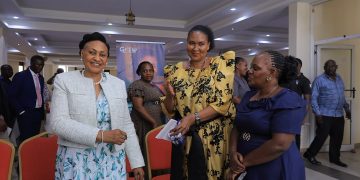
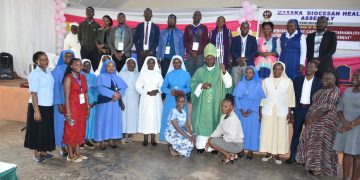
The 25th anniversary celebrations brought together media practitioners, women’s rights advocates, development partners and other stakeholders to reflect on Mama FM’s contribution to amplifying women’s voices and the broader challenges facing women in Uganda’s media industry.
The stakeholders said sustaining women-focused media platforms will remain important in ensuring that women and other underserved groups have opportunities to access information, tell their stories and participate meaningfully in public life.
ENDS.