





















The government has outlined an ambitious fiscal policy agenda for the Financial Year (FY) 2026/27, pledging to strengthen domestic revenue mobilisation, enforce stricter budget discipline, and maintain debt sustainability as it seeks to accelerate economic growth.
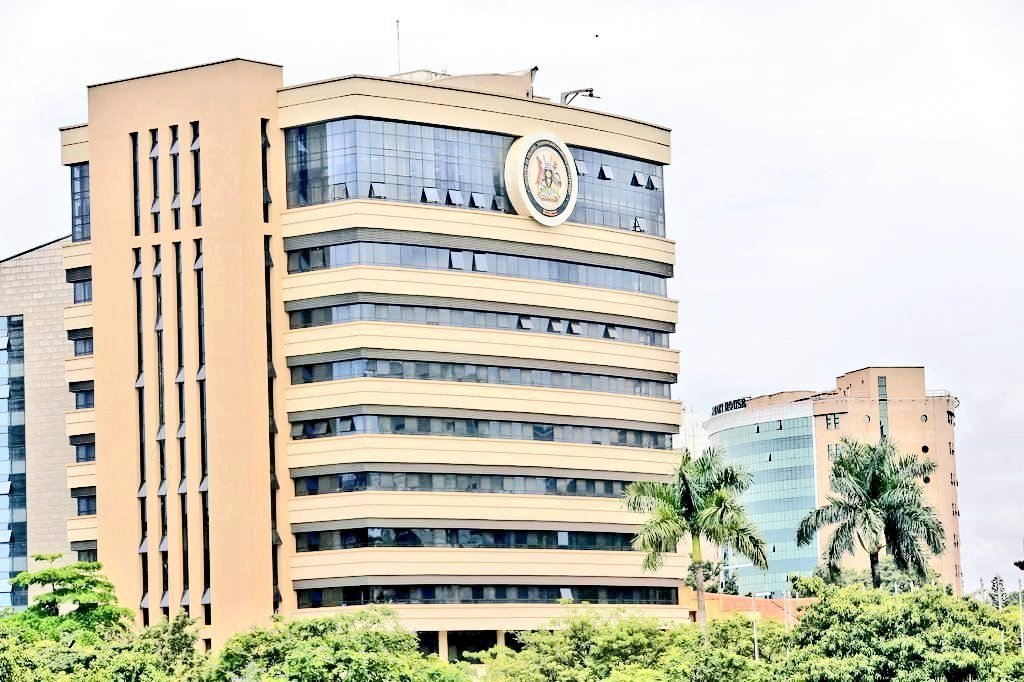
In a statement marking the start of the new financial year, the Ministry of Finance, Planning and Economic Development said fiscal policy during FY 2026/27 and the medium term will focus on ensuring that public resources are efficiently allocated to growth-enhancing sectors in line with the government’s Ten-Fold Growth Strategy and the National Development Plan IV.
The ministry said the government’s fiscal framework will also remain focused on reducing the fiscal deficit while keeping public debt within sustainable and prudent levels.
A key priority will be strengthening domestic revenue mobilisation by broadening the tax base, improving tax administration, and enhancing taxpayer compliance. The government projects domestic revenue collections to increase to Shs45.6 trillion in FY 2026/27, up from Shs35.7 trillion in the previous financial year.
The ministry also said the country expects to begin generating revenues from commercial oil production during the financial year. It pledged to ensure that oil revenues are managed and collected efficiently and transparently to support national development.
To improve the efficiency of public spending, the government plans to tighten expenditure controls as part of wider efforts to rationalise public expenditure and eliminate waste.
The ministry further announced measures to strengthen public financial management systems by enhancing transparency and accountability in the use of public resources.
As part of these reforms, all Accounting Officers will be required to sign a Budget Discipline and Accountability Charter under their performance contracts. According to the ministry, the charter will provide for sanctions against officials who breach accountability rules during the planning, budgeting, and execution of government programmes.
The government also reaffirmed its commitment to prudent borrowing, saying it will continue to carefully assess financing options, prioritise concessional loans, and strengthen debt portfolio management to safeguard long-term fiscal sustainability.
The Ministry of Finance said the measures are intended to support Uganda’s economic transformation agenda while ensuring that public finances remain stable and capable of financing priority development programmes throughout FY 2026/27 and beyond.