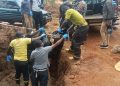

























The Government has announced tougher measures to improve the safety of school transport following the recent Kapchorwa school bus crash that claimed the lives of 20 learners.
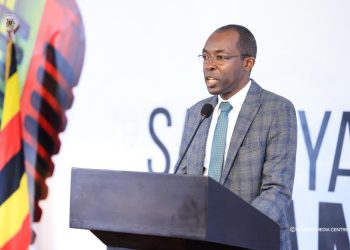
The measures were announced on Thursday during a high-level stakeholder conference organised by the Ministry of Works and Transport in partnership with the Uganda Police Force, the Ministry of Education and Sports, and the Intelligent Transport Monitoring System (ITMS).
Held under the theme “Safe Tour for a Safe Future,” the conference brought together transport regulators, education officials, law enforcement agencies and road safety stakeholders to address the rising number of crashes involving school children and identify measures to prevent them.
Winston Katushabe, the Commissioner for Transport Regulation and Safety at the Ministry of Works and Transport, said the recent tragedy had exposed the need for stricter enforcement of safety standards governing school transport.
“Recent road tragedies involving children highlight the need for stronger safety measures. The Ministry is committed to strengthening inspections of transport, including school buses, while embracing smart enforcement solutions to improve discipline and protect young lives,” Katushabe said.
Under the new measures, all drivers transporting learners will be subjected to vetting, required to hold valid driving licences and obtain an official badge issued by the Ministry of Works and Transport before they are allowed to operate school transport vehicles.
The Ministry of Education and Sports also reaffirmed its commitment to enforcing the Basic Requirements and Minimum Standards for Schools to improve the safety of learners during school-related travel.
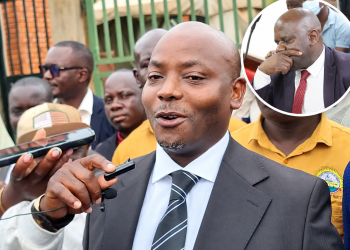
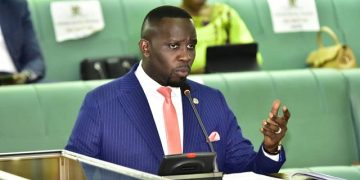
Denis Mugimba, the ministry spokesperson, said vehicles used to transport learners must have valid Private Motor Omnibus (PMO) licences and Inspection of Vehicles (IOV) certification.
He said school buses must also be roadworthy and operated by drivers with valid licences and the appropriate class of driving permit.
Mugimba further announced that the Government had suspended all school study tours and educational trips until further notice as authorities conduct wider consultations and develop long-term measures to prevent similar tragedies.
The renewed focus on school transport safety comes amid growing concern over road crashes across Uganda.
According to the Traffic Police Annual Crime Report 2025, an average of 14 people die on Ugandan roads every day, including about two school-going children. Speeding and reckless driving are among the leading causes of road crashes.
Michael Kananura, the Traffic Police spokesperson, said enforcement operations would be stepped up, with particular attention to compliance with approved routes and the use of smart transport technologies such as the Express Penalty System (EPS).
He said the system would help strengthen enforcement and promote greater discipline among road users.
Stakeholders, however, noted that technology alone cannot eliminate road crashes but can play an important role in improving monitoring, enforcement and accountability.
Steven Turyarugayo, Public Relations Consultant for the ITMS project, said the AI-powered Express Penalty System would enhance vehicle identification and monitoring while helping authorities enforce traffic regulations.
“We believe the Express Penalty System will contribute to changing road user behaviour and ultimately improve the safety of school-going children,” Turyarugayo said.
Participants called for closer cooperation among government agencies, schools, transport operators and parents, saying the safety of children on the roads requires collective responsibility.
The conference ended with renewed commitments to strengthen vehicle inspections, tighten enforcement and improve safety standards to ensure learners can travel safely during school activities.