






















Researchers and HIV advocates have called on African governments to take a more active role in HIV cure research, increase domestic funding for treatment programmes and intensify efforts to combat stigma as Uganda works towards eliminating HIV as a public health threat by 2030.
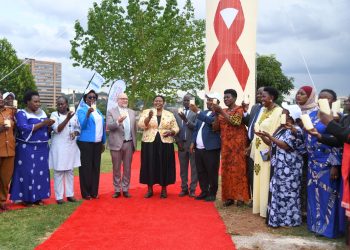
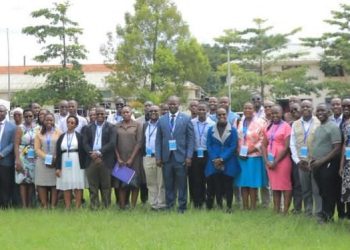
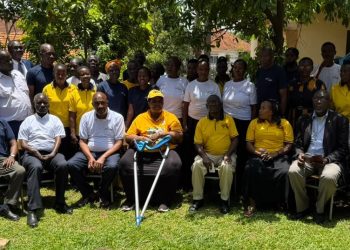
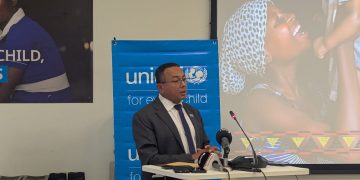
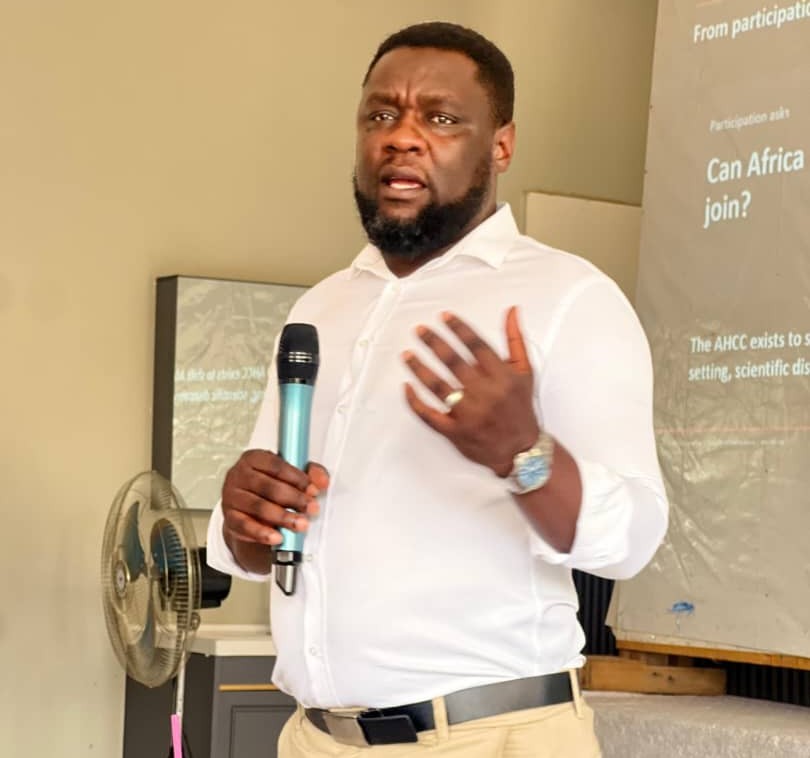
The call was made during a media engagement that brought together journalists, researchers and community representatives to raise public awareness about HIV prevention, treatment and ongoing cure research.
Dr. Albert Machinda, Co-Principal Investigator and Head of Secretariat at the Centre for Infectious Disease Research (CIDR) in Zambia, said Africa accounts for nearly 65 percent of the global HIV burden but remains heavily dependent on external funding and international leadership for HIV research.
He urged governments to prioritise HIV cure research within national health strategies, increase domestic investment and establish policies that empower African scientists to lead groundbreaking studies.
“We should not wait for others to develop a cure for us. Africa must lead the research because it carries the greatest burden of HIV,” Dr. Machinda said.
He explained that although a small number of people have been cured of HIV through highly specialised medical procedures, those interventions are complex, expensive and unsuitable for large-scale use. However, he said advances in scientific research continue to offer hope that safer, more affordable and widely accessible cure strategies could become available in the future.
Dr. George Ssenyange, a research scientist at the Joint Clinical Research Centre (JCRC), said Uganda can significantly reduce new HIV infections by expanding access to HIV testing, ensuring early diagnosis and treatment, and supporting people living with HIV to remain on lifelong antiretroviral therapy.
He emphasised that individuals who consistently take their medication and achieve an undetectable viral load cannot transmit HIV through sexual contact, a scientifically proven approach known as “Undetectable = Untransmittable” (U=U).
Dr. Ssenyange also called for increased government funding for HIV services in response to declining donor support. He stressed the need to safeguard the privacy and dignity of people living with HIV, noting that reducing stigma is essential for encouraging testing, improving treatment adherence and enhancing health outcomes.
HIV advocate Moses Nsubuga, popularly known as “Super Charger,” encouraged people living with HIV to adhere to their treatment and continue practising safe sex. He cautioned that an HIV-positive person can still contract a different strain of the virus through unprotected sex, a condition known as HIV superinfection, which may lead to drug resistance and make treatment more difficult.
The experts agreed that while a widely accessible HIV cure remains under development, achieving Uganda’s target of ending HIV as a public health threat by 2030 will require sustained investment in research, expanded HIV testing, uninterrupted access to treatment, stronger domestic financing and continued efforts to eliminate stigma and discrimination.