























Uganda will host a national agroecology week next Monday, bringing together more than 1,500 farmers, policymakers, researchers and business leaders to promote safer food, affordable farming and environmentally friendly agricultural practices.
The October 26–30 event at Hotel Africana in Kampala comes amid growing concerns over pesticide misuse, rising costs of agricultural inputs and the safety of food consumed by Ugandans.
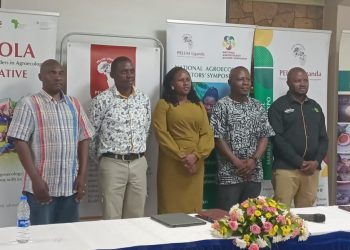
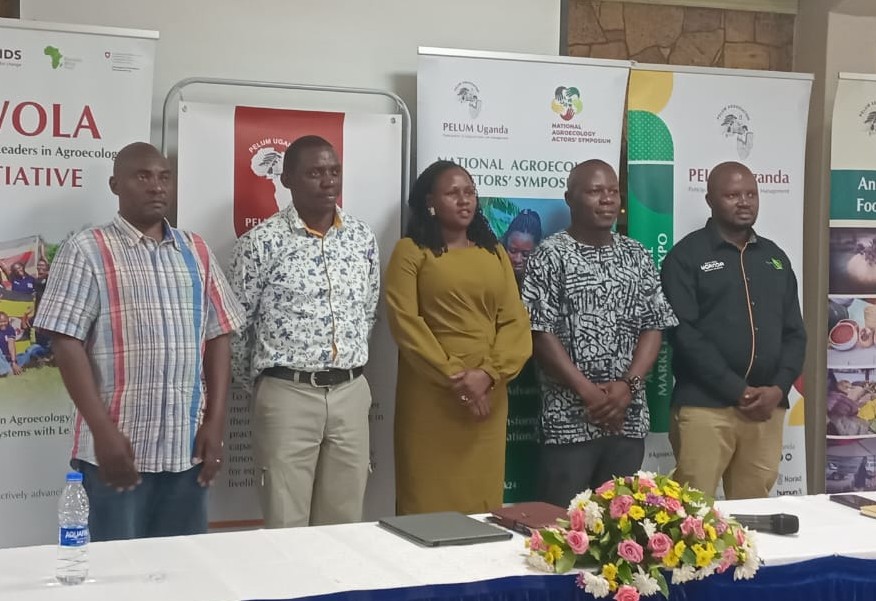
Organised by Participatory Ecological Land Use Management (PELUM) Uganda and partners, the National Agroecology Week of Action will promote farming methods that protect the environment, improve farmers’ incomes and provide consumers with safe and nutritious food.
PELUM Uganda Country Coordinator Josephine Akia Luyimbazi said the misuse of pesticides, particularly spraying vegetables shortly before harvesting, poses a risk to food safety.
“Sometimes you find tomatoes in the market that are sprayed within the box or within the market. This is not the system that we want,” Luyimbazi said.
She explained that agroecology encourages farmers to adopt safer production methods and alternative ways of controlling pests and diseases, reducing reliance on synthetic and highly hazardous pesticides.
Luyimbazi also challenged consumers to reconsider their preference for vegetables that look perfect, saying minor blemishes do not necessarily make produce unsafe for consumption.
She acknowledged that shifting away from chemical-intensive farming would take time because many farmers have relied on conventional methods for years.
PELUM Uganda Board Chairman Edward Mukiibi said Uganda’s food future depends on protecting biodiversity, supporting farmers and building food systems that sustain both people and the environment.
He said agroecology should be viewed not only as a way of producing food sustainably but also as an opportunity to improve household incomes, create businesses and preserve Uganda’s food heritage.
Ruhakana J. Taremwa the Chief Executive Officer of Agro Tourism Association (ATA) said Uganda could also benefit economically from growing interest in traditional foods and indigenous culinary experiences, creating opportunities for farmers, traders and tourism operators.
The week will also highlight the high cost of fertilisers, pesticides and other agricultural inputs, which continues to affect farmers’ production costs and the price of food.
Organisers say expanding access to locally produced biopesticides, biofertilisers and other agroecological inputs could help farmers reduce costs while protecting consumers and the environment.
The event will feature three major activities: the Eighth National Agroecology Actors Symposium, the Fifth Agroecological Market Systems Expo and the 16th Indigenous and Traditional Seed and Food Festival.
The symposium and market expo will take place on October 28, focusing on agricultural policy, business partnerships, sustainable markets and opportunities for agroecological enterprises.
The seed and food festival, scheduled for October 29–30, will showcase indigenous seeds, traditional foods, cooking demonstrations and food tasting, with particular emphasis on women and older farmers who preserve traditional seeds and pass agricultural knowledge to younger generations
Organisers expect the week to strengthen links between farmers, processors, retailers and consumers while encouraging schools, universities and researchers to participate in knowledge-sharing activities.
Previous editions have helped raise awareness of agroecology and expand markets for sustainably produced food. Some PELUM member organisations have established dedicated markets, including a Saturday market near the American Embassy in Kampala.
Uganda’s dependence on agriculture makes the sector central to the country’s economic and food security priorities. World Bank data based on international estimates indicate that agriculture accounted for approximately 65 per cent of employment in 2025.
Under the theme “Accelerating a Just and Resilient Food Future: Collective Agroecological Action, Policy Action and Market Synergies,” organisers say this year’s event will seek practical commitments to improve food safety, strengthen farmers’ livelihoods and build more resilient food systems.
They have invited government agencies, farmer groups, civil society organisations, researchers, development partners, businesses and consumers to participate.