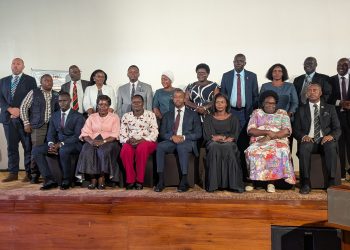


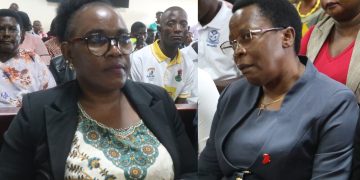

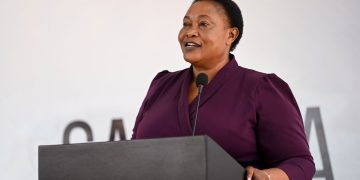




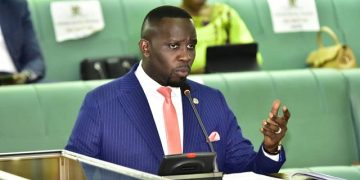







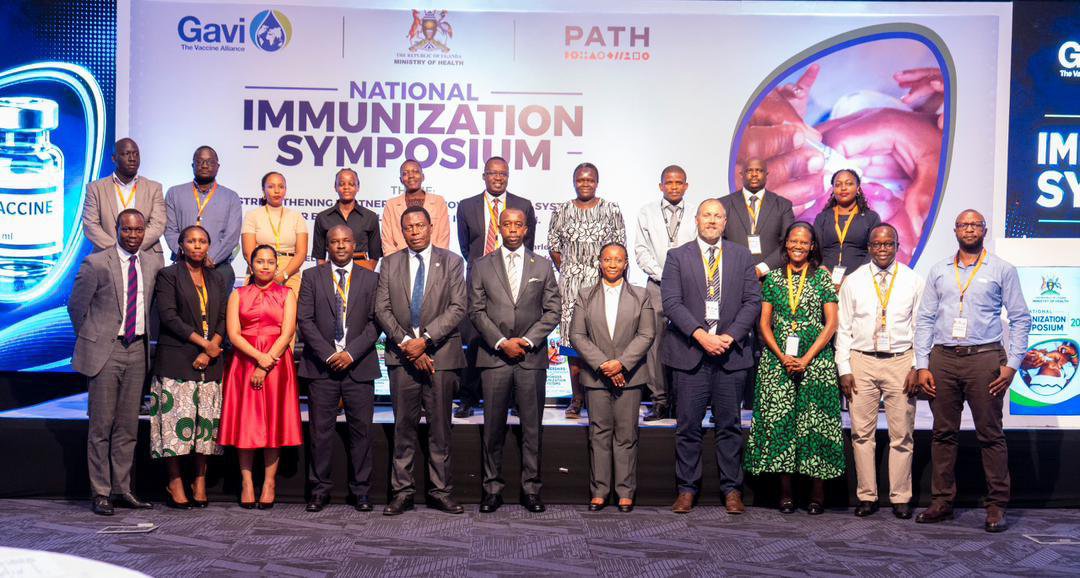
Women leaders have been urged to take a central role in promoting immunisation and ensuring children complete their vaccination schedules as Uganda grapples with increasing vaccine dropout rates and a growing number of unvaccinated children in hard-to-reach communities.
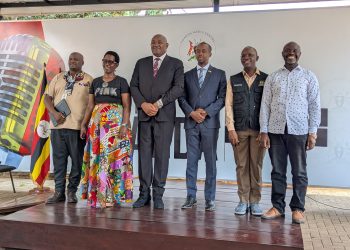
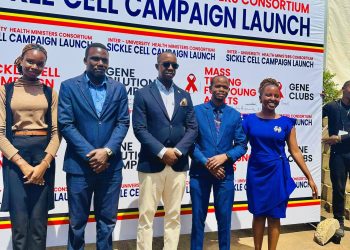
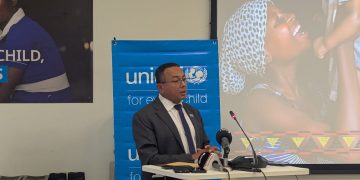
The call was made during the National Immunisation Symposium held under the theme “Strengthening Partnerships, Innovations and Systems for Equitable Life-Course Immunisation.” Health leaders warned that despite progress in expanding vaccine coverage, gaps persist—particularly among “zero-dose” children who have not received any routine vaccinations.
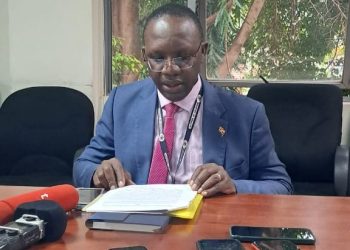
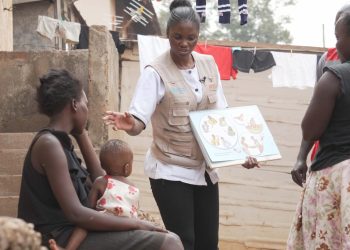
Speaking at the symposium, the Minister of State for Primary Health Care, Hon. Dr. Charles Ayume, said mothers remain the backbone of Uganda’s immunisation programme since they are primarily responsible for taking children to health facilities for vaccination.
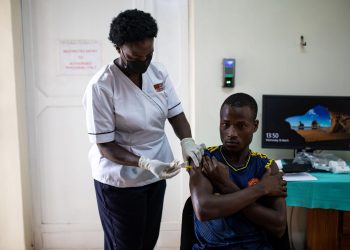
Dr. Ayume expressed concern over the rising number of children missing out on essential vaccines, especially in refugee settlements and remote areas. He cautioned that failure by parents to immunise children against preventable diseases could attract penalties under the Public Health Act. He stressed that vaccines for diseases such as polio, measles, DPT and BCG are mandatory and remain among the most effective public health interventions.
The minister also announced plans to train more than 130 women Members of Parliament on key health issues, including immunisation, maternal and child health, teenage pregnancy and gender-based violence. He said women legislators should go beyond monitoring health facility infrastructure and instead track critical service delivery indicators such as immunisation coverage and maternal health outcomes in their constituencies.
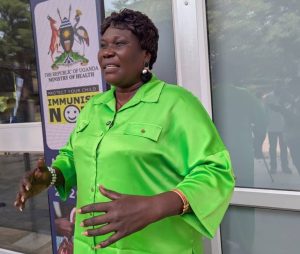
His remarks were echoed by Terego District Woman MP Hon. Rose Obigah, who described immunisation as largely driven by women, noting that mothers are usually the ones who ensure children complete their vaccination schedules. She urged fellow women legislators to actively participate in immunisation campaigns and community mobilisation efforts, saying their involvement is key to improving uptake and protecting children from preventable diseases.
The Program Manager of the Uganda National Expanded Programme on Immunisation (UNEPI), Dr. Michael Baganizi, noted that Uganda’s immunisation programme has expanded significantly—from protecting children against six diseases in the 1980s to 14 diseases today, following the introduction of the malaria vaccine.
However, he observed that many mothers begin vaccination schedules but fail to return for subsequent doses, particularly for measles and malaria vaccines. He said the ministry is exploring reminder systems and strengthening partnerships with cultural, religious and community leaders to improve completion rates. He also revealed plans for a nationwide measles vaccination campaign later this year to close immunity gaps widened by disruptions during the COVID-19 pandemic.
Permanent Secretary at the Ministry of Health, Dr. Diana Atwine, called for stronger sustainability measures, including improved financing and greater community ownership of immunisation programmes. She urged leaders to prioritise immunisation funding, enhance service delivery efficiency and extend vaccination services closer to communities through markets, churches and other public gathering points.
Dr. Atwine noted that many mothers engaged in informal work often struggle to take time off to visit health facilities, underscoring the need for innovative outreach strategies that bring services closer to where people live and work.
Makerere University paediatrician Dr. Sabrina Bakeera-Kitaka raised concern over persistent vaccine misinformation and hesitancy, warning that they continue to undermine child survival efforts. She noted that nearly all recent measles-related deaths have occurred among unvaccinated children and called for stronger community engagement to counter false information and ensure every child receives life-saving vaccines.
Participants at the symposium agreed that strengthening community awareness, empowering women leaders and expanding access to immunisation services will be critical in reducing zero-dose children and achieving equitable vaccine coverage across Uganda.