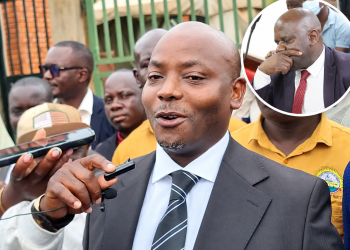






















The Commissioner for Youth and Children Affairs at the Ministry of Gender, Labour and Social Development, Mondo Kyateeka, has called for a united national effort to eliminate violence against children, warning that abuse in schools is undermining Uganda’s human capital development and contributing to the country’s high school dropout rates.
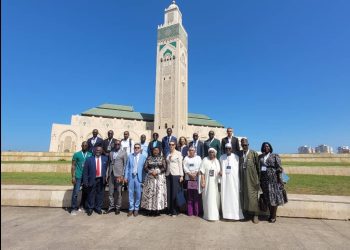
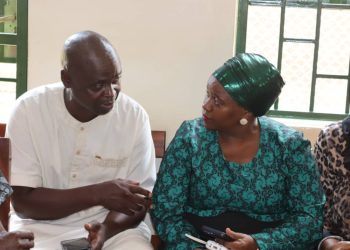
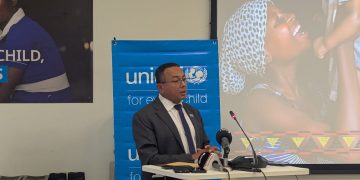
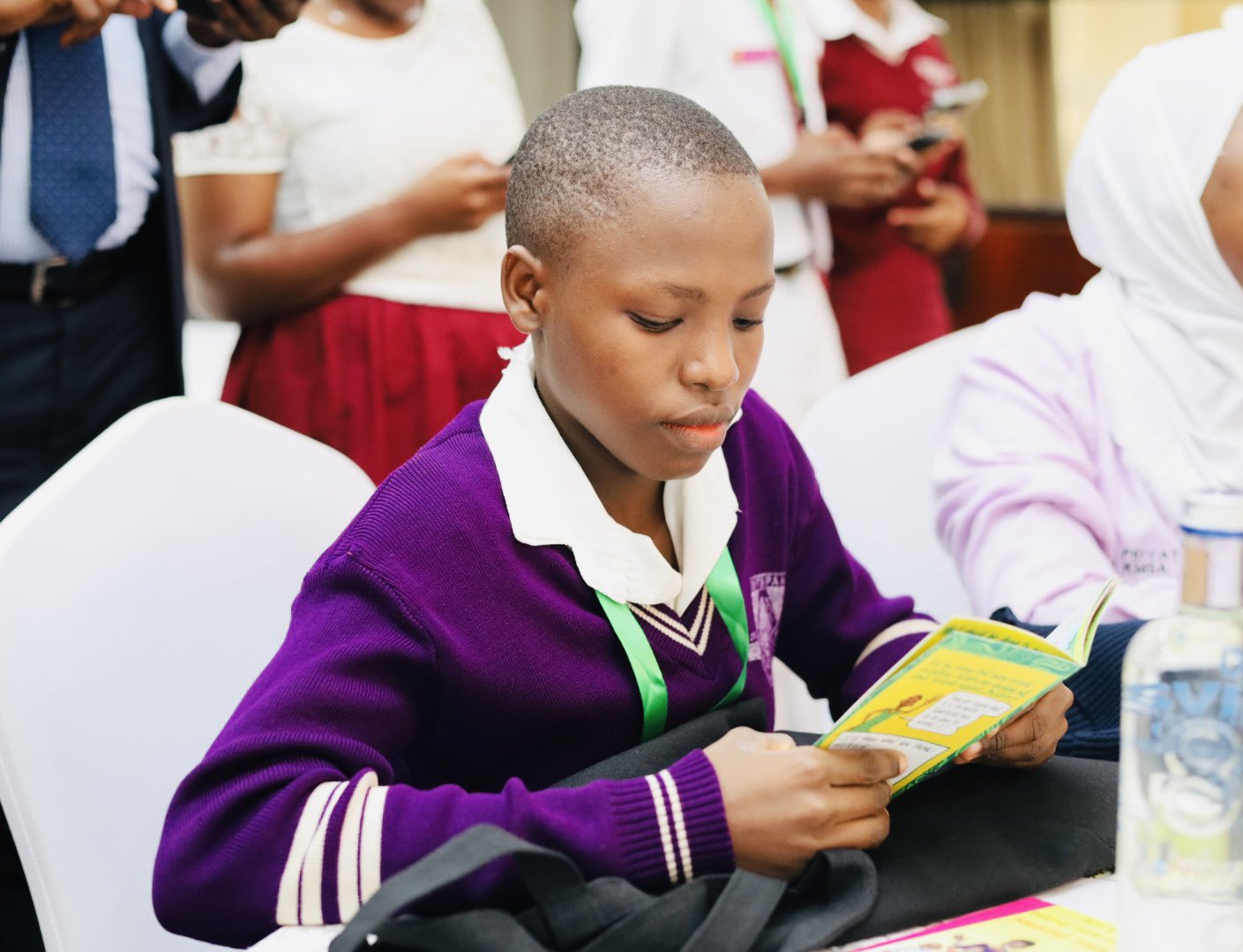
Kyateeka made the remarks while closing the inaugural National Good School Symposium, organised by Raising Voices under the theme, “Together Creating Good Schools Where Every Child Can Thrive.” The two-day event brought together government officials, education stakeholders, development partners, civil society organisations, teachers and learners to explore practical strategies for preventing violence in and through schools.
He said violence against one child ultimately affects all children and stressed that every stakeholder has a responsibility to create safe and supportive learning environments.
“Things don’t happen; things are made to happen. We need to be the architects of the good schools and the non-violent ecosystem we want to see. It is our responsibility to ensure every child is safe, learning and thriving,” Kyateeka said.
The commissioner expressed concern over Uganda’s alarming school completion rates, noting that although about two million children are born annually, only around 800,000 complete Primary Seven. Of these, approximately 300,000 progress to Senior Four, while only about 161,000 eventually sit Senior Six examinations.
He said the statistics should compel parents, teachers, education leaders and communities to reflect on why so many children fail to complete basic education.
Kyateeka further condemned child marriage and teenage pregnancy, describing them as among the most severe forms of violence against children because they rob young people of their right to education and a brighter future.
He reaffirmed government’s commitment to working with partners, including Raising Voices, to eliminate violence in schools and communities.
The symposium also celebrated Raising Voices’ contribution to promoting positive school environments through violence prevention programmes that have reached more than 2,500 schools across Uganda in partnership with government and development partners.
Speaking during the symposium, Lydia Wasula, a Probation and Welfare Officer at the Ministry of Gender, Labour and Social Development, said findings from Uganda’s 2018 Violence Against Children Survey revealed that homes remain the leading place where children experience violence, followed by schools and communities.
She said the findings have informed closer collaboration between the Ministry of Gender and the Ministry of Education and Sports to strengthen child protection systems in schools, families and communities.
According to Wasula, government is training teachers and school administrators on child safeguarding and positive discipline, implementing child protection guidelines in schools, strengthening referral and response mechanisms, establishing child reference groups, and promoting evidence-based parenting programmes to eliminate violence both at school and at home.
She added that efforts are also focused on addressing harmful social norms that perpetuate violence, including child marriage and female genital mutilation, while strengthening child wellbeing committees and village-based para-social workers to improve the detection and reporting of child abuse cases.
Representing the Ministry of Education and Sports, Angela Nansubuga said experience has shown that preventing violence against children requires a whole-school and multi-sectoral approach involving government ministries, local governments, civil society organisations, development partners, schools and communities.
She noted that schools should not only provide quality education but also guarantee safe learning environments equipped with adequate water and sanitation facilities as well as effective child protection systems.
Nansubuga acknowledged persistent challenges, including weak child protection structures at local government level, inadequate staffing and financing, poor data management, cultural acceptance of corporal punishment, and limited attention given to life skills and violence prevention programmes because they are not examinable.
She called for increased government investment, stronger community participation, improved coordination among stakeholders and continuous teacher training to sustain efforts aimed at ending violence against children.
Child rights and social policy expert Stella Ayo Odongo said schools occupy a unique position in preventing violence because they bring together children from diverse backgrounds and provide opportunities to identify and respond to abuse occurring at home, online and within communities.
She said strengthening schools as safe spaces is essential to enabling children to learn, develop and realise their full potential.
Kenneth Kapuru, Project Coordinator at the Forum for African Women Educationalists Uganda (FAWE), emphasized that long-term success in preventing violence against children depends on meaningful child participation, continuous teacher capacity building and integrating violence prevention initiatives into routine school systems so they remain effective even after development partners conclude their projects.
Earlier, Raising Voices Co-Director Prossy Nakanjako thanked government ministries, development partners, teachers, learners and other stakeholders for supporting the first National Good School Symposium.
She said the discussions had amplified children’s voices, strengthened collaboration among key stakeholders and reinforced the collective commitment to creating schools that are free from violence, safe for learning and supportive of every child’s growth and development.