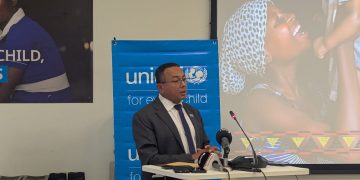














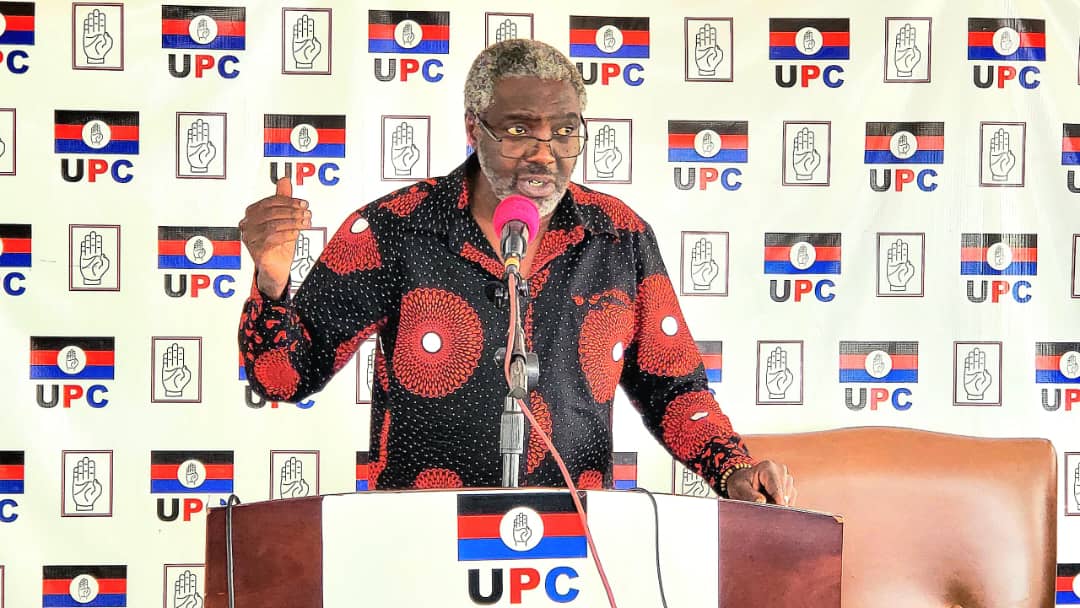
Uganda People’s Congress (UPC) President Jimmy Akena has defended his party’s economic record, arguing that UPC laid the foundation for Uganda’s market-oriented economy while calling on the government to urgently address child malnutrition, food insecurity, and declining public services.
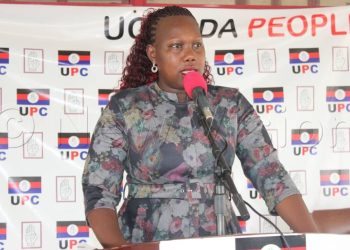
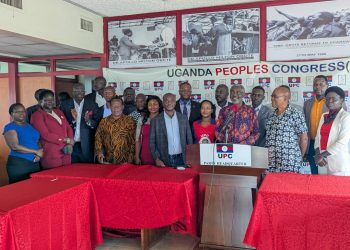
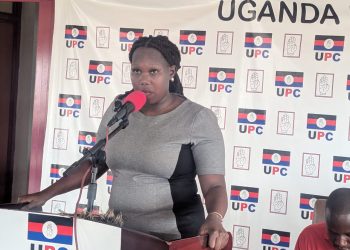
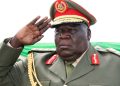
Speaking at a press briefing in Kampala, Akena said the UPC government led by former President Milton Obote introduced a market-based currency system in 1981, long before the National Resistance Movement (NRM) embraced similar economic reforms.
He argued that although the government often highlights macroeconomic achievements, the real measure of economic progress should be the living conditions of ordinary Ugandans.
According to Akena, Uganda’s currency has steadily depreciated over the past four decades despite official claims of sustained economic growth, a trend he said reflects deeper economic challenges facing citizens.
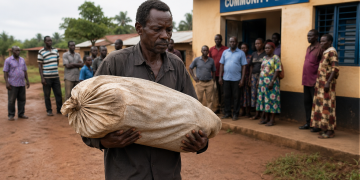
The UPC leader also criticized the government’s approach to agriculture and food security, saying Uganda has the capacity to produce enough food to feed its population but continues to struggle because of inadequate planning, limited storage facilities, and weak distribution systems.
He urged the government to prioritize ensuring food security for Ugandans before expanding exports of agricultural products such as milk and fish.
Akena expressed concern over what he described as a growing crisis of child malnutrition, claiming that about two million Ugandan children below the age of five are malnourished.
He called for increased investment in nutrition, healthcare, and education, warning that the country’s long-term development depends on raising healthy and productive children.
“The future of Uganda depends on how well we invest in our children today,” Akena said, stressing that combating malnutrition should become a national priority.
The UPC president also accused the government of neglecting essential public services, pointing to what he described as inadequate healthcare infrastructure and insufficient funding for Universal Primary Education (UPE).
He maintained that previous UPC administrations placed greater emphasis on healthcare, rural development, and improving citizens’ welfare through inclusive public policies.
On the political front, Akena dismissed criticism over his increasingly outspoken stance on national issues, saying he is now using a stronger national platform to articulate UPC’s policies and vision for the country.
He challenged his political opponents to engage him in a debate over the party’s historical record on governance and economic management rather than dismissing its contributions.
Akena concluded by urging Uganda’s leaders to focus on addressing poverty, food insecurity, and child malnutrition, saying the country’s development should be driven by practical solutions that improve the lives of ordinary citizens rather than political rhetoric.
His remarks come as political parties continue positioning themselves ahead of the 2026 General Election, with increasing debate over economic management, public service delivery, and social welfare emerging as key campaign issues.