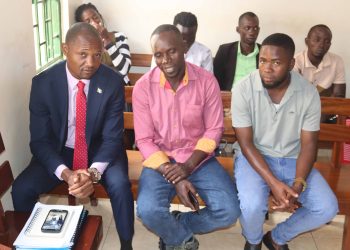



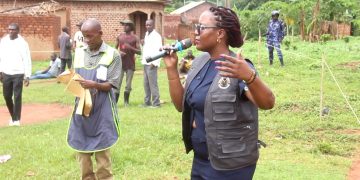

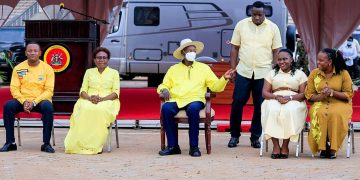




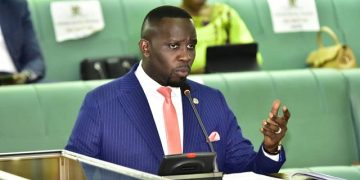








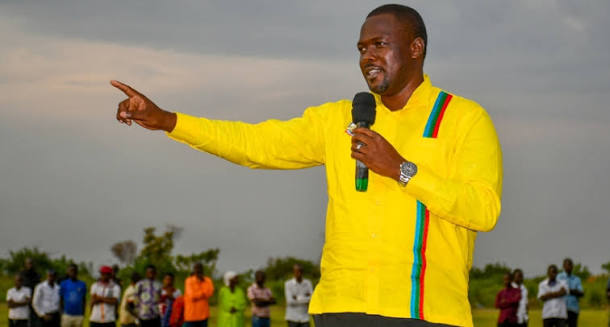
The National Resistance Movement (NRM) has called on its members and supporters across the country to turn out in large numbers for the Village (LC1) Chairperson elections scheduled for, July 28, 2026, describing the polls as a critical opportunity to rebuild robust grassroots structures and deepen internal democracy.
NRM Secretary General Richard Todwong emphasised the importance of robust village-level leadership in building a united and effective party.
“NRM supporters should turn out in large numbers at their polling stations and cast votes for the party’s endorsed candidates, while maintaining peace, discipline, and respect for the electoral outcome,” he said.
He further noted that candidates and supporters should conduct peaceful campaigns and respect the final outcome.
This push comes against the backdrop of notably low voter turnout in recent general elections, particularly at the local government level, where apathy has often left many positions uncontested or filled with minimal participation.
The upcoming LC1 elections are viewed as especially vital because they form the foundation of the local governance system. Village chairpersons serve as the first point of contact for communities on issues ranging from dispute resolution and security to the mobilisation of government programmes in health, agriculture, and education. A strong mandate at this level is seen as key to effective service delivery, fostering community cohesion, and consolidating political structures from the ground up.
The Electoral Commission wrapped up voter registration for the exercise from July 6 to 10, compiling separate registers for the Women’s Council elections on July 23 and the LC1 polls. Voting for village chairpersons will be conducted by lining up behind candidates or their representatives in open village settings. Nominations for candidates took place earlier this week, setting the stage for an eight-day campaign period ending on July 27.
The NRM has synchronised its internal processes with the Commission’s timetable. The party recently held village barazas to verify flag bearers selected in earlier primaries, fill vacant positions, and endorse candidates. It has also allocated substantial resources for preparations and is conducting ongoing verification exercises to ensure its representatives are ready.
Opposition parties are similarly mobilising. The National Unity Platform (NUP), for instance, has indicated it will field candidates and has called for timely display of registers to avoid malpractices, while urging its supporters to participate actively despite past concerns over intimidation in some areas. Other parties are expected to engage as independents or through their structures, contributing to what observers see as competitive grassroots contests in many villages.
The 2026 village elections mark a significant step in restoring elected leadership at the village level after years of delays. Incumbent chairpersons in various regions are defending their records on issues such as community mobilisation, youth programmes, and implementation of government initiatives, while challengers push for fresh representation.