
















KAMPALA: Members of Parliament have warned that climate change is aggravating Uganda’s sexual and reproductive health challenges, linking prolonged droughts, food insecurity, school dropout, teenage pregnancy and gender based violence to changing weather patterns and worsening livelihoods.
The legislators made the remarks during an orientation organised by Reproductive Health Uganda (RHU) for members of the 12th Parliament to discuss sexual and reproductive health and rights (SRHR), gender equality, and the links between reproductive health and climate change.
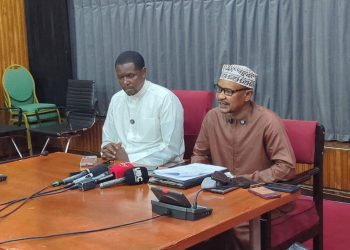
RHU Executive Director Jackson Chekweko said climate change and SRHR should not be treated as separate policy concerns because they are interconnected and have direct implications for health, equality, resilience and sustainable development.
“Climate change is affecting people’s livelihoods, and when livelihoods are disrupted, women, girls and other vulnerable groups face increased reproductive health risks,” Chekweko said.
He said climate related displacement, poverty and disruption of household incomes can limit access to health services while increasing vulnerability to teenage pregnancy, gender based violence and other social challenges.
Chekweko said Uganda’s teenage pregnancy burden remains worrying, with about one in four adolescents aged 15 to 19 affected by pregnancy.
He challenged the 12th Parliament to use its legislative, oversight and budgetary powers to address the challenges, noting that previous parliaments had demonstrated their ability to influence national health priorities.
MPs push for health insurance and menstrual health
The legislators recommitted themselves to pushing for the National Health Insurance scheme to be passed by Cabinet and enacted into law, alongside increased government investment in reproductive health services.
They also called for greater attention to menstrual health, particularly the high cost of menstrual hygiene products and taxes imposed on materials used in their production.
Chekweko said MPs emphasised that menstrual hygiene products should be affordable and accessible to all women and girls, including adolescents and women in prisons.
The legislators further called for stronger interventions against reproductive health cancers and pledged to promote cancer screening and community sensitisation.
Chekweko said government should also increase investment in civil society organisations and other implementing partners that can extend reproductive health services to communities beyond public health facilities.
He said the National Health Adaptation Plan also requires adequate financing and effective implementation to protect communities from the health effects of climate change.
RHU, he added, has already worked with districts, including Kasese, to develop climate action plans and will continue advocating for resources to implement climate and SRHR commitments.
Climate change affecting girls and families
Christine Lanyero Awany, Woman Member of Parliament for Nwoya District, said climate change is already affecting education, livelihoods and reproductive health in her constituency.
She said prolonged heat and unpredictable weather patterns can prevent families from working in their gardens, while children may also fail to attend school.
“When parents’ crops are destroyed and they cannot pay school fees, some children drop out and may become vulnerable to negative peer influence, early pregnancy and sexually transmitted infections,” she said.
Awany also linked environmental degradation to climate change, saying communities continue cutting trees for firewood and charcoal without adequately replacing them.
She pledged to sensitise her constituents about climate change and encourage tree planting alongside efforts to address household energy needs.
Sylvia Damba Katooko, Woman Member of Parliament for Kibuku District, said climate change is contributing to food insecurity and malnutrition in her constituency.
She said prolonged droughts have disrupted traditional farming seasons, leaving families struggling to produce enough food.
According to Katooko, women and children bear much of the burden when food becomes scarce, with mothers sometimes sacrificing their own nutrition to feed their children.
She linked food insecurity to school dropout, gender based violence and other social pressures.
Katooko pledged to sensitise communities about climate change, advocate for climate friendly legislation, promote smart agriculture and push for improved food storage and food security.
“Women rise up. Let’s fight this monster,” she said, urging women to take a leading role in climate action.
Angella Akoth Nzokire, Woman Member of Parliament for Tororo District, said legislators should help communities make informed decisions on sexual and reproductive health while adapting to climate change.
She said MPs should support families to keep children in school, improve access to family planning and promote climate smart practices such as tree planting and smart agriculture.
Nzokire also pledged to advocate for policies that strengthen climate adaptation and improve uptake of SRHR services in districts across Uganda.
Health sector calls for increased investment
Dr Richard Mugahi, Commissioner for Reproductive, Maternal and Child Health at the Ministry of Health, said Uganda has made progress in expanding health infrastructure but now needs to address what he described as the “software” of healthcare, including knowledge, attitudes, staffing and utilisation of services.
Mugahi said about 85 percent of Uganda’s population can access a health centre within five kilometres, but cautioned that physical access alone does not guarantee improved health outcomes.
He urged leaders to promote family planning using language that communities can easily relate to, including the term “healthy child spacing”, particularly when engaging highly religious communities.
Mugahi said Uganda records about two million births each year, warning that the health system requires significant investment to safely provide care for mothers and newborns.
The Ministry of Health estimates that about Shs902 billion will be required over five years to address gaps in reproductive, maternal and child health, he said.
Mugahi also raised concern about the shortage and workload of midwives. He said Uganda has about 8,000 midwives, of whom approximately 7,300 are in government service, but the workload remains above recommended levels.
He called on MPs and civil society organisations to strengthen advocacy for increased investment in reproductive, maternal and child health.
MPs call for integrated climate and population planning
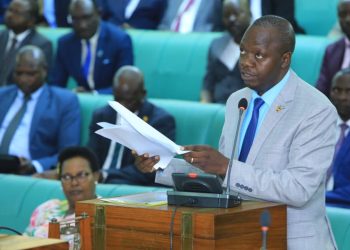
John Bagoole, MP for Luuka County North, said climate change should be integrated into reproductive health planning rather than being treated as a separate policy issue.
He argued that reproductive health extends beyond access to condoms and health facilities and should take into account the wider social, economic and environmental conditions affecting families.
Bagoole called for stronger environmental protection, saying healthy ecosystems can help communities withstand pressures affecting livelihoods and health.
Judith Mutabazi, Manager for Population and Social Planning at the National Planning Authority, said SRHR and gender equality are already linked to national and district development planning.
She said keeping children in school for longer can delay pregnancy and give young people more opportunities to make informed decisions about their reproductive health.
Mutabazi said youth unemployment stands at about 13 percent, compared with about six percent nationally, and warned that young people need access to SRHR information and services if they are to participate productively in the economy.
She also highlighted the burden of unpaid care work, saying women spend about 6.6 hours a day on unpaid care work compared with about five hours for men.
Mutabazi called for gender responsive budgeting and greater use of data to identify underfunded priorities.
She said Parliament’s role in approving budgets and exercising oversight provides an opportunity to ensure that SRHR, gender equality and climate related interventions receive adequate resources.
She also urged leaders to address child marriage, teenage pregnancy, gender based violence, poverty and unequal access to reproductive health services.
MPs pledge action in constituencies
The MPs also committed themselves to using their constituencies to promote climate action and reproductive health awareness.
One of the legislators called for increased community sensitisation through radio and other local communication platforms, particularly on reproductive cancers and the importance of screening.
Chekweko said RHU and its civil society partners would continue working with Parliament and government ministries to provide evidence, technical support and community level services.
He said the organisation, which will celebrate 70 years of existence next year, runs sexual and reproductive health clinics for young people in different parts of the country and works with the Ministries of Health, Education and Gender on policy and service delivery.
Chekweko urged the 12th Parliament to move beyond commitments and ensure that promises are translated into budgets, policies and action, particularly as Uganda faces increasing climate related pressures.
He said climate change must therefore become part of Uganda’s reproductive health conversation because its effects are already being felt through disrupted livelihoods, displacement, food insecurity, school dropout and increased vulnerability among women and girls.