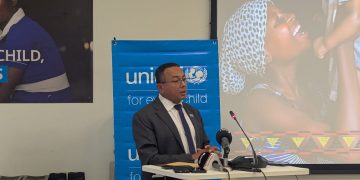
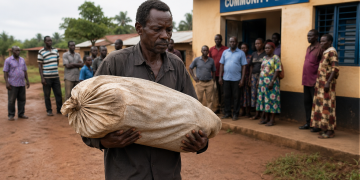















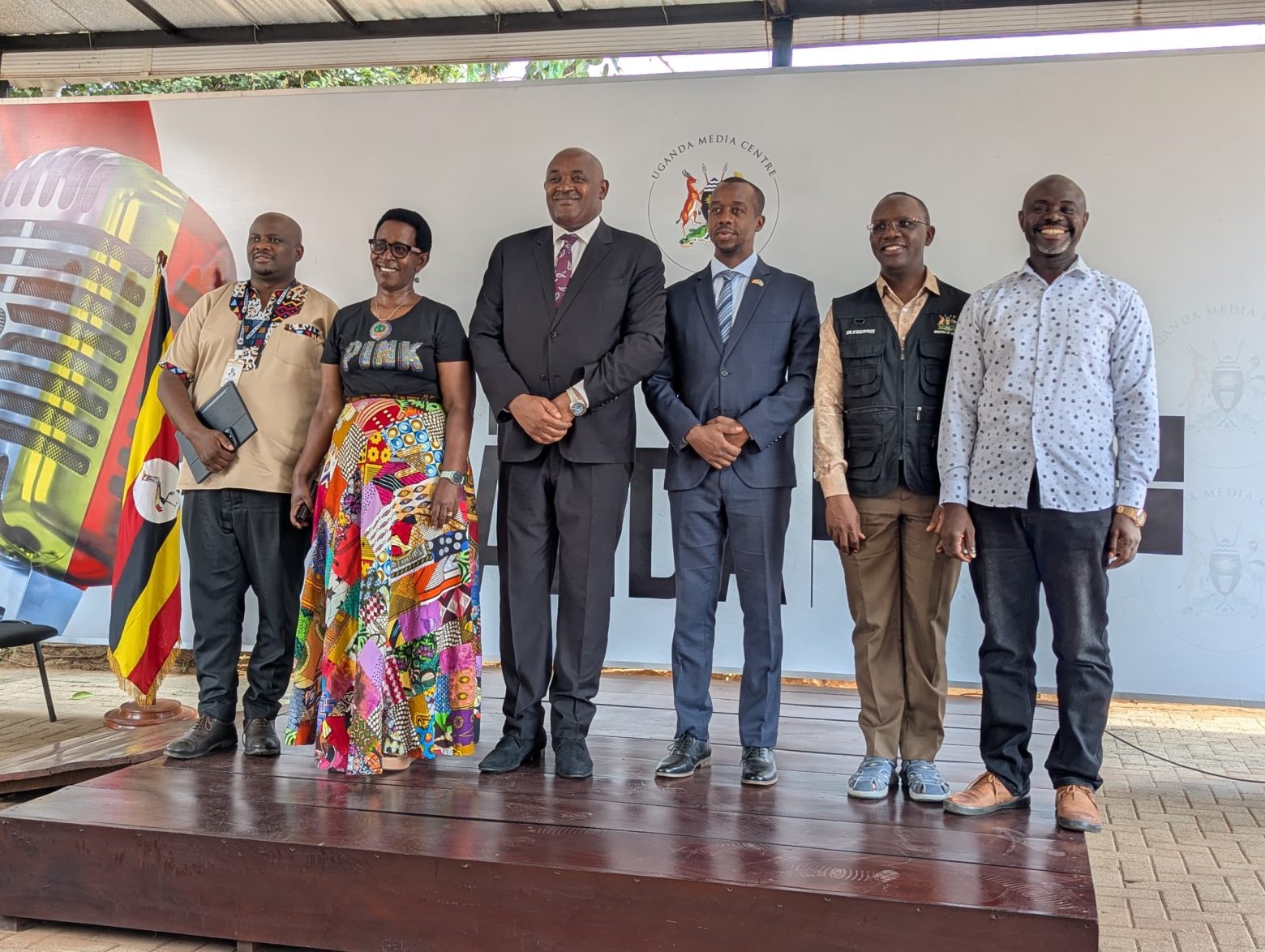
Uganda has officially declared the end of the 2026 Ebola disease outbreak after completing the mandatory 42-day monitoring period without recording any new infections, the Ministry of Health announced on Tuesday.
Health Minister Dr. Chris Baryomunsi said the countdown began on June 16, when the last Ugandan patient infected through local transmission was discharged from hospital.
The outbreak, which was declared on May 15 following imported cases from the Democratic Republic of Congo (DRC), recorded 20 confirmed cases. Of these, 18 patients recovered while two Congolese nationals died after reportedly arriving in Uganda late for treatment. Fifteen of the confirmed cases were imported from the DRC, while five Ugandan health workers contracted the virus while caring for infected patients.
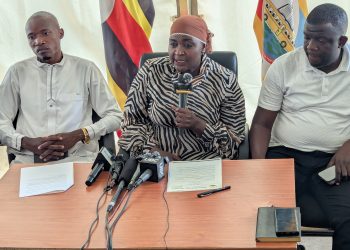
Addressing journalists in Kampala, Dr. Baryomunsi explained that although the final patient discharged was a Congolese national, the Ministry based the 42-day countdown on the last Ugandan patient because investigations confirmed the Congolese patient had not exposed anyone else to infection after entering Uganda.
“We are informed by science. The reason for counting 42 days is to determine whether there could have been undetected local transmission. In this case, the last Congolese patient had no contacts, so there was no additional transmission risk,” he said, adding that the World Health Organization (WHO) agreed with Uganda’s scientific assessment.
The Minister said Uganda’s response benefited from advances in rapid molecular diagnostics, whole genome sequencing, digital surveillance and real-time contact tracing, which helped investigators fully reconstruct transmission chains and confirm that no community spread remained.
Despite declaring the country Ebola-free, the Ministry warned that the outbreak in eastern DRC is still ongoing and urged Ugandans, particularly those living in border districts, to remain vigilant.
“The border with the DRC remains under heightened surveillance, and the measures we introduced in border communities remain in force as we continue monitoring the situation,” Dr. Baryomunsi said.
Uganda has also strengthened regional efforts by signing a Memorandum of Understanding with the DRC and establishing two mobile laboratories and an 80-bed Ebola Treatment Unit in Aru and Kasenyi to help contain the outbreak at its source.
The Minister said Uganda would now engage countries that imposed travel advisories or restrictions during the outbreak, arguing that such measures were not fully supported by scientific evidence.
“Uganda is Ebola-free and open for business, tourism and international travel. We shall continue engaging countries that imposed restrictions to reconsider and lift them,” he said.
Minister of State for Primary Health Care Dr. Charles Ayume said the latest outbreak had significantly strengthened Uganda’s public health system.
He noted that laboratory testing capacity has been expanded to regional and border districts, reducing the turnaround time for Ebola test results to less than four hours, while Uganda has also developed a skilled workforce capable of supporting Ebola response efforts beyond its borders.
Dr. Ayume added that the government allocated UGX 5 billion to finance the initial outbreak response, allowing health authorities to act quickly without waiting for external funding.
The Ministry of Health urged border communities to remain alert and report illegal border crossings or suspected Ebola symptoms through the national toll-free line as Uganda continues surveillance and preparedness efforts.